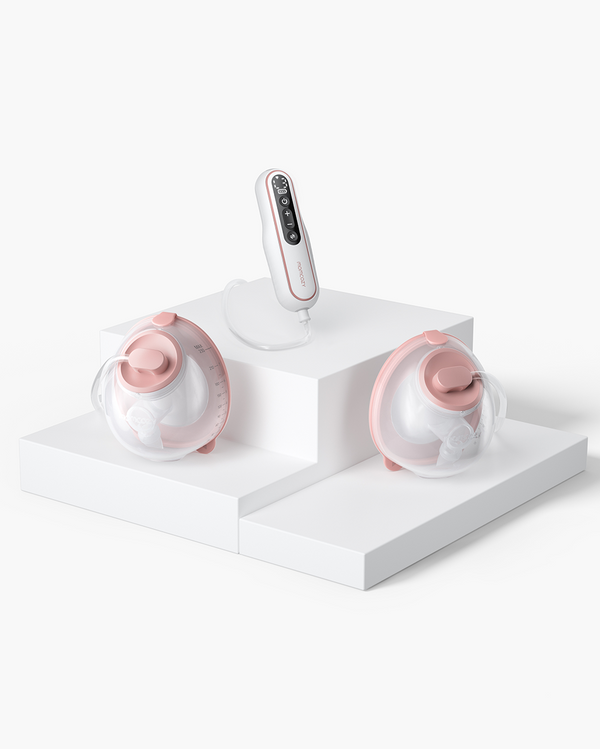
A baby’s bottle does not simply become ready for the next feed.
Someone notices that there are not enough clean bottles, remembers which parts need to be washed, checks whether there is sufficient milk, sterilises the equipment and makes sure everything is packed before the family leaves home.
An appointment does not simply appear on the calendar. Someone must remember that it is due, find a suitable clinic, make the booking, rearrange the family schedule and prepare everything the baby will need.
This constant process of noticing, remembering, anticipating and coordinating is often described as the mental load.
It is different from having a long list of chores. The mental load is the responsibility for making sure the list exists in the first place—and that nothing important is left off it.
For many mothers, the exhausting part is not always one particularly difficult task. It is the feeling of being the person who must remember almost everything.
What Is the Maternal Mental Load?
The maternal mental load is the cognitive and emotional work involved in managing children, households and family relationships.
It may include:
- Monitoring feeding and pumping schedules
- Remembering vaccinations and medical appointments
- Tracking milk, nappies and household supplies
- Researching childcare and healthcare options
- Preparing for childcare, school or family travel
- Planning meals and organising groceries
- Coordinating work, childcare and family schedules
- Remembering instructions from healthcare professionals
- Checking whether delegated tasks have been completed
- Managing relatives’ expectations and family communications
- Anticipating how changes will affect the baby
- Remaining emotionally available to other family members
Much of this work happens internally. It may continue while a mother is commuting, working, feeding her baby or trying to sleep.
This makes the mental load difficult to observe, and even more difficult to measure.
Australian Women Consistently Carry More Unpaid Work
The Australian Bureau of Statistics 2024 Time Use Survey shows a continuing gender divide in unpaid work.
Among people who performed unpaid work on their diary day, females spent an average of 4 hours and 53 minutes on it, compared with 3 hours and 52 minutes for males—a difference of just over one hour a day.
The gap was considerably wider among parents. Female parents of children under 15 who performed unpaid work spent an average of 7 hours and 29 minutes a day, compared with 5 hours and 2 minutes for male parents. This is a daily difference of 2 hours and 27 minutes, or more than 17 hours across a week.
Even these figures tell only part of the story. Time-use surveys measure activities, but not every reminder, decision or piece of planning surrounding them.
Australian Mothers Spend More Time Looking After Children
The same ABS survey found that female parents were more likely than male parents to report looking after children under 15: 88% compared with 72%.
Among parents who provided childcare, female parents spent an average of 4 hours and 38 minutes a day, while male parents spent 3 hours and 29 minutes—a difference of 1 hour and 9 minutes.
The gender gap appeared across several kinds of care:
-
64.2% of female parents provided personal care for a child, compared with 43.7% of male parents.
-
47.9% prepared food or drinks for children, compared with 24.5% of male parents.
-
42.2% undertook travel related to childcare, compared with 26.5% of male parents.
-
17.6% provided talking and emotional support, compared with 7.2% of male parents.
-
5.0% provided health and medical care, compared with 1.3% of male parents.
These figures measure reported participation on the survey day. They do not prove who held responsibility for remembering, planning and monitoring each task. However, they show that mothers were more likely to be involved across many of the activities that require ongoing family coordination.
Supervisory Care Can Happen Alongside Other Work
Unpaid care can be underestimated when surveys record only a person’s main activity.
A mother may report that she is working, cooking or completing household tasks while also supervising a child. The activities overlap, but the responsibility remains active.
The ABS found that 23% of Australians provided supervisory care for a child while doing another activity, for an average of 7 hours and 8 minutes a day. Females were more likely to report supervisory care than males, at 25% compared with 21%.
Among people doing paid work, 9% were also supervising a child, for an average of 5 hours and 41 minutes. The proportion was slightly higher among females than males: 10% compared with 8%.
That distinction is crucial to understanding maternal mental load. A mother may be working from home while remaining aware of what her child is doing. She may prepare a meal while supervising homework, or rest while listening for her baby to wake.
Supervision requires continued availability. It can limit where a person goes, how long they concentrate and how freely they organise their time.
Working From Home Does Not Remove Unpaid Work
Working from home can offer flexibility, but it can also allow paid employment and unpaid care to occur in the same place and at the same time.
According to the 2024 ABS survey, people who worked from home spent around one hour longer on unpaid work during their workday than those who did not work from home: 3 hours and 24 minutes compared with 2 hours and 26 minutes.
On work-from-home days, females spent an average of 3 hours and 48 minutes on unpaid work, compared with 3 hours and 1 minute for males.
Flexible work may help families, but it should not mean that mothers are expected to absorb domestic and childcare responsibilities throughout the working day.
Time Pressure Is Part of the Picture
Mental load is not measured only in hours. It can also appear as the persistent sense that there is never enough time.
In 2024, 36% of females said they always or often felt rushed or pressed for time, compared with 30% of males. Nearly half of women aged 25 to 34 (48.1%) and 35 to 44 (48.9%) reported feeling this way.
People in couple families with children under 15 were also more likely to feel rushed or pressed for time than couples without children: 51% compared with 26%.
Balancing work and family was the most commonly reported reason, cited by 42% of those who always or often felt time pressure.
These figures do not prove that mental load caused time stress. They do, however, show how unpaid work, employment and childcare can converge during the years when many women are raising children.
What the Australian Evidence Shows
The 2024 ABS Time Use Survey does not measure every aspect of mental load directly. It records time and participation in paid work, unpaid work, childcare, supervisory care and other activities.
Despite that limitation, several patterns are clear.
Women Perform More of the Visible Unpaid Work
Females spent more time on unpaid work than males, with the largest gap appearing among parents of children under 15.
Childcare Creates Responsibilities That Cannot Be Measured Only in Primary Hours
Supervising a child while working, cooking or completing another activity still restricts a parent’s attention, mobility and time.
Paid Employment Does Not Automatically Equalise Work at Home
Women continued to perform more unpaid work on workdays, including when working from home.
The Burden Is Intensified During the Child-Raising Years
Women aged 25 to 44 were among those most likely to report feeling rushed or pressed for time, while families with children reported considerably more time pressure than couples without children.
Responsibility Extends Beyond Physical Tasks
The ABS data captures activities such as administration, travel and emotional support, but it cannot count every reminder, plan or decision held in a parent’s mind.
Why Feeding Can Add a Distinctive Mental Load
Infant feeding is not one task. It is an interconnected set of physical, practical and emotional responsibilities.
A mother may be keeping track of:
- When the baby last fed
- Whether the baby fed effectively
- When she last pumped
- How much expressed milk is available
- How milk should be stored and transported
- Whether bottles and pump parts are clean
- Whether the baby is gaining weight
- Whether a change in milk output is temporary
- How feeding will work during childcare or travel
- When professional advice may be needed
A partner cannot take over every physical aspect of breastfeeding. However, the work surrounding breastfeeding can be shared.
Partners and other family members can take responsibility for suitable equipment preparation, meals, household supplies, childcare arrangements, communication with relatives and helping the mother access professional support.
Fairness does not require every person to perform identical tasks. It requires the total burden to be recognised and distributed deliberately.
Why Asking for Help Can Become More Work
“Tell me what you need” sounds supportive. But when a mother is already managing the household, the question may add another decision.
She must:
- Identify what needs to be done
- Decide which task to delegate
- Explain how it should be completed
- Remember to check whether it happened
- Resolve the situation if something was missed
The physical work may be delegated, but the management remains with her.
More useful support involves taking ownership:
- “I will monitor and replace the feeding supplies.”
- “I will manage the baby’s next appointment.”
- “I have checked what is needed for childcare tomorrow.”
- “I will prepare and clean the compatible feeding equipment.”
The important difference is that the mother is no longer required to initiate and supervise every action.
Practical Help Is Not the Same as Shared Responsibility
A family may divide household chores while leaving one person responsible for the entire system.
For example, a partner may buy groceries, but the mother still:
- Notices what is missing
- Plans the family’s meals
- Writes the shopping list
- Remembers the baby’s supplies
- Checks whether everything was purchased
- Adjusts the week’s plans when an item is unavailable
The shopping has been shared. Its mental ownership has not.
This is why conversations about fairness should look beyond who performed the final task.
Families can ask:
- Who noticed that something needed to happen?
- Who decided what should be done?
- Who remembered the deadline?
- Who prepared the necessary information?
- Who followed up afterwards?
- Who would be blamed if it were forgotten?
These questions make invisible responsibility easier to identify.
How Families Can Share the Mental Load
Transfer Complete Areas of Responsibility
Instead of assigning individual chores each day, family members can take ownership of complete areas, such as medical appointments, household supplies or childcare preparation.
Ownership includes noticing, planning, completing and monitoring—not waiting for instructions.
Create a Shared System That Everyone Uses
A family calendar, shared supply list or reminder application can reduce dependence on one person’s memory.
However, a shared system maintained entirely by the mother simply transfers her mental load onto a screen. Every adult must update it and act on the information.
Make Rest Truly Uninterrupted
A mother is not off duty if she is still expected to answer questions and approve decisions.
Protected rest means another responsible adult temporarily takes over both the physical tasks and the decisions attached to them.
Review Responsibilities as Circumstances Change
The division of care should be reconsidered when:
- A baby’s feeding or sleep pattern changes
- A mother returns to paid work
- Childcare arrangements begin
- A family member becomes unwell
- Paid or extended-family support changes
- One parent’s working hours increase
- The existing arrangement is causing exhaustion or resentment
An arrangement that was reasonable during one stage may become unfair during another.
Reduce Unnecessary Steps
Reliable childcare, accessible healthcare, shared planning systems and practical household tools can reduce repetitive work.
However, efficiency should not be used to make one woman better at carrying everything. The purpose of simplifying care should be to create more time, flexibility and wellbeing for the family.
What Workplaces Can Do
Mental load does not remain at the front door when a parent begins work.
A mother may be attending a meeting while also remembering that milk needs to be expressed, a childcare form is due or a medical appointment must be rearranged.
Employers can respond by:
- Offering meaningful flexibility to mothers and fathers
- Providing appropriate lactation facilities and protected pumping time
- Normalising parental leave and caregiving among men
- Avoiding assumptions that mothers will absorb every family interruption
- Measuring performance through outcomes rather than constant visibility
- Ensuring flexible work does not reduce access to promotions
- Providing employee-assistance and mental-health resources
- Allowing caregivers reasonable predictability in their schedules
Workplace flexibility is most effective when care is also shared at home. Otherwise, flexible working can cause paid employment and unpaid care to occur simultaneously.
What Healthcare Professionals Can Ask
A baby may be growing well while the mother is struggling.
Maternal care should therefore look beyond physical recovery and infant outcomes. Useful questions include:
- Are you able to rest without remaining responsible for decisions?
- Who helps you prepare for feeds?
- Who monitors household and baby supplies?
- Who arranges appointments and transport?
- Do you feel emotionally supported?
- Are you able to hand over responsibility?
- Are you feeling persistently anxious, low or overwhelmed?
A mother should not need to reach a visible breaking point before her wellbeing is taken seriously.
When Mental Load May Require More Support
Mental load is not a medical diagnosis. However, persistent overload can exist alongside depression, anxiety, burnout, sleep deprivation and relationship distress.
A mother should consider speaking with a qualified healthcare professional if she experiences:
- Persistent sadness, anxiety or irritability
- Difficulty functioning in daily life
- A constant sense of dread or panic
- Inability to rest even when the baby is safe
- Loss of interest or emotional numbness
- Severe guilt or feelings of worthlessness
- Difficulty bonding with the baby
- Disturbing thoughts that cause significant distress
Urgent professional help is required if a mother has thoughts of harming herself or the baby, feels unable to keep herself or the baby safe, or experiences severe confusion, hallucinations or unusual beliefs. In Australia, call Triple Zero (000) if there is immediate danger.
Household support is important, but it is not a substitute for professional mental-health assessment and treatment.
Australia Needs Better Mental-Load Data
Australian time-use data makes women’s unpaid care more visible, but major evidence gaps remain.
Future Australian research should examine:
- Who anticipates and plans family responsibilities
- Who monitors whether tasks have been completed
- Mental load during pregnancy and the first year after birth
- The relationship between cognitive labour, sleep and maternal wellbeing
- The mental work attached to breastfeeding and pumping
- The experiences of single mothers
- Differences between regional, remote and metropolitan households
- The effects of income and access to childcare
- How grandparents and paid carers change family responsibility
- Whether technology reduces work or simply changes how mothers manage it
- How fathers understand and participate in cognitive care
- Mental load in same-sex and multigenerational families
It is also important for studies to distinguish primary activities from simultaneous and supervisory care. The ABS data demonstrates that a large part of family responsibility can disappear when surveys record only one activity at a time.
Making the Invisible Visible
Across Australia, the latest figures tell a consistent story.
Female parents of children under 15 spend almost two and a half hours more on unpaid work each day than male parents. They are more likely to provide childcare, prepare children’s food, manage health-related care, provide emotional support and travel for children’s needs. Women are also more likely to supervise children while doing paid work and to feel rushed or pressed for time.
None of these statistics captures the complete mental load.
They cannot count every reminder held in a mother’s mind, every feeding decision made while she is working or every moment spent wondering whether something important has been forgotten.
But they make one fact increasingly difficult to ignore: family life depends on a vast amount of work that is still disproportionately carried by women.
Recognising this work is not about keeping score. It is about understanding what care genuinely requires, and ensuring that mothers are not left to carry its physical, cognitive and emotional weight alone.
Frequently Asked Questions
What is the mental load of motherhood?
The maternal mental load is the ongoing cognitive and emotional responsibility involved in managing family life. It includes remembering, anticipating, researching, deciding, organising and monitoring—not only completing visible tasks.
Is unpaid care work the same as mental load?
No. Unpaid care work measures activities such as childcare, cooking and cleaning. Mental load includes the thinking and emotional responsibility behind those activities. The two overlap, but they should not be treated as identical.
Are there direct mental-load studies from Australia?
Direct and nationally comparable studies remain limited. Most Australian data measures unpaid work, childcare, supervisory care, time use or maternal wellbeing. This lack of direct measurement is an important research gap.
How much unpaid work do Australian mothers perform?
In the 2024 ABS Time Use Survey, female parents of children under 15 who performed unpaid work spent an average of 7 hours and 29 minutes a day, compared with 5 hours and 2 minutes for male parents.
How much time do Australian parents spend looking after children?
Among parents who looked after children under 15, female parents spent an average of 4 hours and 38 minutes a day, compared with 3 hours and 29 minutes for male parents.
What is supervisory childcare?
Supervisory childcare is time when a person is responsible and available for a child while also doing another activity. In 2024, 23% of Australians reported supervisory care for an average of 7 hours and 8 minutes on their diary day.
Does working from home remove the unpaid-work gap?
No. On work-from-home days, females spent an average of 3 hours and 48 minutes on unpaid work, compared with 3 hours and 1 minute for males.
Does support from grandparents or paid carers remove mental load?
It can reduce physical work, but a parent may still be responsible for organising schedules, giving instructions, purchasing supplies and monitoring care. Practical help and mental ownership are not always the same.
Can fathers share the mental load if a mother is breastfeeding?
Yes. Although breastfeeding itself cannot always be transferred, partners can take full responsibility for many surrounding tasks, including suitable equipment preparation, household supplies, meals, childcare arrangements and helping the mother access professional support.
Is mental load a mental-health condition?
No. Mental load is not a clinical diagnosis. However, persistent overload may coexist with stress, burnout, anxiety or depression.
When should a mother seek professional assistance?
Persistent or worsening emotional distress, difficulty functioning, severe anxiety or thoughts of self-harm require support from a qualified healthcare professional. Any immediate concern about the safety of the mother or baby requires urgent help. In Australia, call Triple Zero (000) in an emergency.