Returning to work after maternity leave can feel like a big transition. There is a new routine to settle into, work responsibilities to manage and, for many mothers, a question that comes up before they even return.
Can I continue breastfeeding once I go back to work?
For some mothers, the answer is yes. Returning to work does not necessarily mean the end of breastfeeding, although it may mean finding a new routine that works around work hours, commuting and time away from the baby.
For others, breastfeeding may look different after returning to work. Some mothers may breastfeed when they are with their baby and express milk during the day. Others may combine breast milk with formula.
There is no single way to manage the transition.
As part of Momcozy's Breathe & Breastfeed initiative, International Board Certified Lactation Consultant (IBCLC) Natasha shares why supporting breastfeeding mothers means looking beyond simply encouraging them to breastfeed. Having access to practical support, reliable information and a workplace that understands their needs can make the transition back to work much easier.

Breastfeeding Does Not Have to Be Perfect
Every mother and baby have their own feeding journey.
Some mothers exclusively breastfeed, while others combine breastfeeding with expressed milk or formula. Feeding patterns can also change as babies grow and family circumstances change.
Returning to work is one of those moments when a routine may need to be adjusted.
“Parents often put enormous pressure on themselves to breastfeed perfectly. In reality, feeding journeys change over time. What's most important is that mothers feel supported to make informed decisions that work for both themselves and their babies,” says Natasha.
This can be easier said than done. Mothers may feel pressure to maintain the same feeding routine they had before returning to work, even when their circumstances have changed.
The reality is that a working mother's routine may look very different from her routine at home. What matters is finding an approach that is manageable for both mother and baby.
If you're still in those early weeks and wondering how breastfeeding routines typically develop before the return-to-work transition, our guide on what to expect in your newborn's first weeks covers common feeding patterns and practical support options for Australian parents navigating the newborn period.
Returning to Work Can Change Your Breastfeeding Routine
One of the biggest practical changes is the amount of time a mother spends away from her baby.
A mother who previously breastfed throughout the day may need to start expressing milk while she is at work. She may need to work out when she can pump, where she can do it and how she will store her milk.
These details may sound simple, but they can become stressful when a mother is also adjusting to being back at work.
Planning ahead can help.
Before returning to work, it may be useful to speak with your employer about where you can express milk and what facilities are available. Some mothers may also find it helpful to practise pumping before they return, so they have an idea of what works for them.
There is no need to have everything figured out from the first day. It can take some time to find a routine that fits.
How Can Workplaces Support Breastfeeding Mothers?
The workplace can play an important role in making the transition easier.
A private and hygienic space for expressing milk is one practical consideration. Having reasonable time to pump and somewhere suitable to store expressed milk can also help.
Just as important is the attitude of the people around the mother.
“Support doesn't always require major changes,” Natasha explains. “Sometimes it's simply about creating an environment where mothers don't feel embarrassed or guilty for taking the time they need to express milk or continue their feeding journey.”
A mother should not have to feel uncomfortable asking to use a suitable space or taking the time she needs to express milk.
Support from managers and colleagues can make returning to work feel less daunting, particularly during the first few weeks when everyone is adjusting to the new routine.
Workplace policies and requirements can vary, so mothers should check the arrangements that apply to their individual workplace.
What Role Can a Breast Pump Play?
For mothers who express milk during the working day, a breast pump can become an important part of their routine.
Some mothers prefer traditional breast pumps, while others choose wearable pumps because they offer more flexibility and can be used without being connected to a larger pumping setup.
Wearable breast pumps can be useful for mothers who need to fit pumping around a busy day. Choosing a pump, however, is a personal decision. Comfort, fit, pumping frequency and individual preferences can all affect which pump is most suitable.
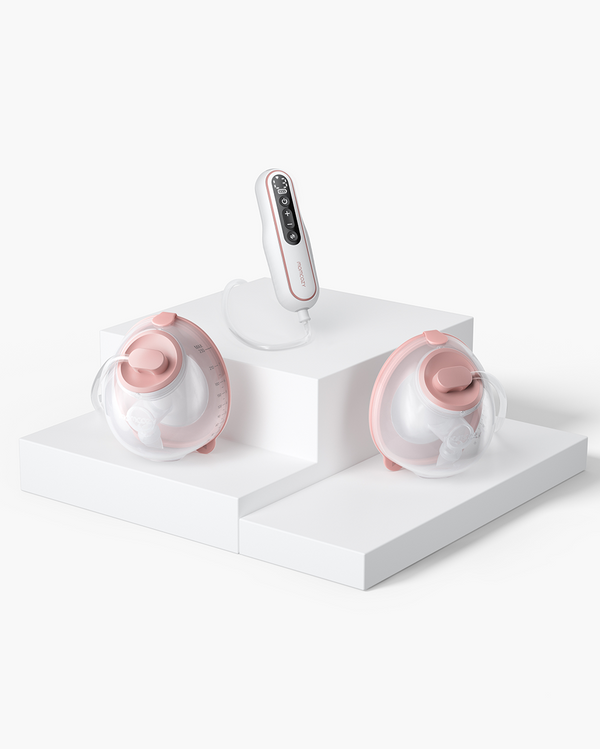
Momcozy's range of wearable breast pumps is designed with this need for flexibility in mind. Products such as the M5 Smart Wearable Breast Pump and Air 1 Ultra-Slim Wearable Breast Pump are designed to help mothers incorporate pumping into everyday life.

Member price
From$179.99Code Save 20%

A breast pump is only one part of the picture, though. If you have questions about pumping, milk supply or how to maintain breastfeeding after returning to work, a qualified healthcare professional or lactation professional can provide advice based on your individual circumstances.
What If I'm Worried About My Milk Supply?
Milk supply is one of the concerns Natasha hears from many parents.
Returning to work can lead mothers to wonder whether they will be able to express enough milk during the day or whether changes to their routine will affect their supply.
There is no single amount of milk that every mother will express during a pumping session. Pumping output can vary depending on the individual, the time of day, how frequently milk is removed and a range of other factors.
If you're wondering what a realistic pumping output looks like for a working mother, our practical guide on how much milk to pump offers helpful benchmarks based on your baby's age and feeding patterns, so you can feel more confident about what your body is producing.
This is also an area where online advice can sometimes become confusing. What works for one mother may not work for another.
“Every mother and every baby are different. What works for one family may not work for another, which is why personalised, trusted advice is so important,” says Natasha.
If you are concerned about your milk supply or your baby's feeding, speaking with a qualified healthcare professional or lactation professional can help you understand what is happening and what options may be available.
Support Does Not Stop at the Workplace
Returning to work is only one part of the transition.
Support at home matters too.
Partners and family members can help by taking on household responsibilities, preparing meals, caring for older children or simply giving a mother time to rest. These things may not seem directly connected to breastfeeding, but having less to manage can make a busy routine feel more manageable.
It is also important for the people around a mother to understand that feeding plans can change.
A mother may have planned to exclusively breastfeed and later decide to introduce expressed milk or formula. Another mother may want to continue breastfeeding but find that she needs to change her routine after returning to work.
These decisions are personal.
Mothers should be able to make informed choices about feeding without feeling that they have failed because their journey looks different from what they originally planned.
Breastfeeding Support Needs to Work in Real Life
There is already a great deal of information available about the benefits of breastfeeding. But knowing about those benefits does not necessarily make breastfeeding easier.
For a mother returning to work, practical questions can become just as important as breastfeeding advice.
- Where can I pump?
- When can I pump?
- How will I store my milk?
- What happens if my schedule changes?
- Who can I speak to if I have concerns?
These are the realities that need to be part of the conversation around breastfeeding support.
This is the thinking behind Momcozy's Breathe & Breastfeed initiative. The campaign looks at breastfeeding support from a wider perspective, recognising the role that healthcare professionals, workplaces, families and communities can play in helping mothers navigate their feeding journeys.
For Natasha, the most important thing is that mothers feel supported rather than judged.
“Every feeding journey is unique. Whether a mother breastfeeds for weeks, months or longer, she deserves encouragement, trusted information and practical support, not judgement. When we support mothers, we're also supporting healthier families, stronger communities and future generations.”
Your Breastfeeding Journey Can Change
Returning to work can change the way breastfeeding fits into your day, but it does not necessarily mean that you have to stop.
You may need to pump during work hours, change your feeding routine or find new ways to balance breastfeeding with your responsibilities. It may take some time to find what works.
What matters is having the support to make informed choices along the way.
Through Breathe & Breastfeed, Momcozy is continuing the conversation around practical breastfeeding support and the different realities mothers face.
Because supporting mothers is not just about encouraging breastfeeding. It is about making sure they have the information, understanding and practical support they need to navigate their own journey with confidence.
Frequently Asked Questions
Can I continue breastfeeding after returning to work?
Yes. Many mothers continue breastfeeding after returning to work.
You may need to adjust your routine depending on your working hours and how much time you spend away from your baby. Some mothers breastfeed when they are with their baby and express milk while they are at work.
How can I prepare for breastfeeding when I return to work?
It can help to think about your pumping routine before you return. You may want to speak with your employer about where you can express milk, what storage facilities are available and how you can fit pumping into your working day.
A qualified lactation professional can also help you prepare for the transition.
How often should I pump at work?
There is no single pumping schedule that works for every mother.
How often you express milk can depend on your baby's feeding pattern, how long you are away from your baby and your individual circumstances. If you are unsure about how often to pump, speak with a qualified healthcare professional or lactation professional.
Can I use a wearable breast pump at work?
A wearable breast pump can be a convenient option for some working mothers. Its hands-free design can make it easier to fit pumping into a busy day.
However, every mother has different needs. Comfort, fit and pumping preferences should be considered when choosing a breast pump.
Once you've chosen your pump, keeping it clean and hygienic is essential — especially when you're pumping away from home. Our guide on how to clean and sterilise your breast pump parts covers everything from daily washing to deep sterilisation, so you can pump with confidence at work.
What if I cannot express enough milk at work?
Pumping output can vary from one session to another and from one mother to another.
If you are concerned about your milk supply or your baby's intake, speak with a qualified healthcare professional or lactation professional. They can provide advice based on your individual situation.
Do I have to continue breastfeeding after returning to work?
No. How you feed your baby is a personal decision.
Some mothers continue breastfeeding after returning to work, while others combine breastfeeding with expressed milk or formula. Feeding plans can change as circumstances change, and mothers should be supported in making informed decisions that work for their families.
How can my employer support breastfeeding?
Employers can help by providing a private and hygienic space for expressing milk, allowing appropriate time for pumping and providing suitable facilities for storing expressed milk.
A supportive attitude from managers and colleagues can also make the transition back to work easier.
Where can I get breastfeeding advice?
A GP, midwife, maternal and child health nurse or qualified lactation professional can provide advice based on your individual circumstances.
If you have concerns about your baby's health, feeding or development, seek advice from an appropriate healthcare professional.