Table of Contents
Bringing a baby home changes the rhythm of an entire household. Nights become divided by feeding, expressing, settling and changing. Days fill with recovery, childcare and responsibilities that do not always pause simply because a mother has recently given birth.
Yet being surrounded by support does not always mean a mother is sleeping well.
She may still be the person waking for every feed, monitoring the baby, managing expressing schedules and remembering what the household needs. Her body may be resting in bed while her mind remains fully awake.
What Australian Evidence Tells Us About Maternal Sleep
Research specifically measuring postpartum sleep in Australia remains limited. Available findings, however, show that poor maternal sleep is neither rare nor insignificant.
An Australian longitudinal study following first-time parents from pregnancy through the first year after birth found that total sleep time and sleep efficiency decreased after birth, while time awake during the night increased. Mothers experienced greater sleep disruption than fathers, particularly during the first months postpartum.
This matters because postpartum recovery is not only physical. Sleep affects concentration, emotional regulation, pain perception and a mother’s ability to cope with repeated demands.
Mental wellbeing is an especially important part of the Australian picture. Australian clinical guidance notes that up to one in seven women experience depression in the first year after giving birth. National guidelines also recommend screening for signs and risk factors for mental health conditions during pregnancy and after birth.
Poor sleep does not automatically mean that a mother has postnatal depression, nor does it prove that depression will develop. However, sleep disruption and emotional distress can overlap and reinforce one another, highlighting the importance of recognising sleep difficulties early rather than waiting until a mother is overwhelmed.
Why Postpartum Sleep Feels Different
A mother may technically accumulate several hours of sleep and still wake feeling exhausted. Sleep quality is shaped not only by total duration, but also by how often sleep is interrupted and whether there is enough time to move through restorative stages of sleep.
New mothers may wake because of:
- Feeding or expressing
- Breast discomfort or leaking
- Post-birth pain
- Hormonal changes
- Anxiety about the baby
- Household noise or responsibilities
- Difficulty falling asleep again after the baby settles
Recovery also depends on the type of birth and each mother’s individual health. A vaginal birth, assisted delivery or caesarean section can involve different levels of pain, mobility limitations and healing needs. There is no single recovery timeline that every mother should be expected to follow.
The first six weeks are important, but recovery does not suddenly end at the six-week check-up. Sleep disruption, feeding adjustments and emotional changes can continue for months.
Rest Is More Than “Sleeping When the Baby Sleeps”
“Sleep when the baby sleeps” is often offered as simple advice. For many mothers, it is not that simple.
The baby’s nap may be the only opportunity to eat, shower, express milk, wash feeding equipment, attend to household tasks or care for another child. Some mothers also find that they cannot immediately fall asleep, even when they are exhausted.
A more realistic goal is to protect opportunities for rest. This may include sleep, but it can also mean lying down without responsibility, eating an uninterrupted meal or having someone else manage the next round of washing and preparation.
Rest should not become another task that a mother feels she is failing to complete.
Five Practical Ways to Support Postpartum Sleep and Recovery
1. Protect One Meaningful Rest Period
Instead of expecting a full night’s sleep, identify one period that can be protected as consistently as possible.
A partner, relative or trusted support person might settle the baby after a feed, handle an early-morning wake-up or take responsibility for a block of daytime care. Even when feeding cannot be delegated, burping, changing, cleaning and resettling often can.
The goal is not a perfect schedule. It is to give the mother at least one period when she is not responsible for anticipating the baby’s next need.
2. Divide the Invisible Work
Support is most helpful when it removes responsibility rather than creates another decision.
“Tell me if you need anything” still requires the mother to identify, organise and delegate a task. More useful support may sound like:
- “I’ll wash and prepare the feeding equipment.”
- “I’ll organise dinner tonight.”
- “I’ll take the baby after the next feed.”
- “I’ll manage visitors this weekend.”
Recovery becomes more achievable when mothers are not expected to remain the household project manager from bed.
3. Make Night Feeding Easier to Manage
Night feeds may be unavoidable, but the work surrounding them can be reduced.
Before going to bed, keep frequently needed items organised and within easy reach. Depending on the family’s feeding routine, this might include water, burp cloths, breast pads, correctly stored milk and clean feeding or expressing equipment.
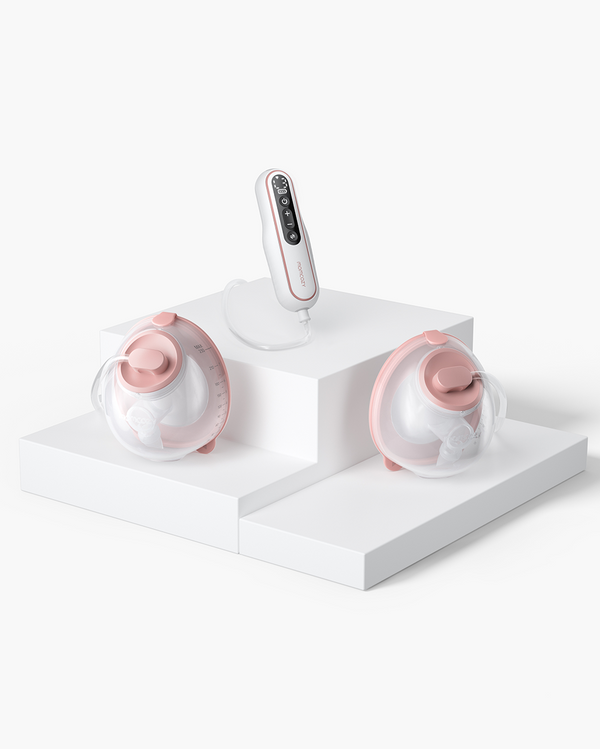
A comfortable, supported feeding position can reduce unnecessary physical strain. When expressing is part of the routine, a hands-free setup may allow the mother to sit comfortably rather than adding more physical effort to an already tiring night.
Always follow appropriate guidance for breastmilk storage, formula preparation and cleaning.
4. Let Recovery Guide the Pace
Postpartum recovery is not a race back to a previous routine.
Gentle movement may feel helpful when medically appropriate, but pain, dizziness, heavy bleeding or extreme fatigue are signals to slow down and seek advice—not obstacles to push through. Mothers recovering from a caesarean birth, birth injury or other complications may need additional practical help and more time.
Meals, hydration and follow-up care also matter. Rest cannot fully compensate when a mother is not eating adequately, is dehydrated or has an untreated health issue.
5. Treat Emotional Changes as Part of Health
Some emotional sensitivity is common during the first days after birth. Persistent sadness, anxiety, hopelessness, panic, detachment or an inability to sleep even when the baby is settled deserves professional attention.
Families should not wait for a mother to ask perfectly for help. Exhaustion can make it harder to explain what is wrong or arrange care independently.
Seek urgent help if a mother has thoughts of harming herself or the baby, appears severely confused, experiences hallucinations or seems disconnected from reality. These symptoms require immediate medical assessment.
Supporting Different Postpartum Experiences
Postpartum support can provide valuable structure, nourishment and care, but every Australian family’s circumstances are different.
The most supportive approach is to ask whether each arrangement is helping the mother feel safe, rested and respected.
A mother should be able to communicate when something causes pain, anxiety or discomfort. Family expectations should not prevent her from receiving medical care, eating and drinking adequately, moving safely or making informed decisions about her own body and baby.
Australian perinatal mental health guidance recommends assessment and support during pregnancy and after birth. Postnatal care should therefore extend beyond checking physical healing; it should also consider rest, emotional wellbeing, feeding support and the mother’s home environment.
Recovery Should Be Shared
A mother may be the one recovering from birth, but recovery should not be hers to manage alone.
Partners, relatives, friends, employers and healthcare professionals all influence whether she has the time and support to heal. Bringing food is helpful. Holding the baby for a photograph is lovely. But taking over a night-time task, protecting her from unnecessary visitors or noticing that she has not slept can make a deeper difference.
At Momcozy, we believe care should continue after the baby arrives. Thoughtful support—whether it comes from family, healthcare, community or products designed around mothers’ real routines—can help reduce the physical and mental load surrounding feeding and recovery.
Mothers do not need to earn rest by finishing everything else first. Rest is part of the work of healing.
Frequently Asked Questions
How much sleep does a postpartum mother need?
There is no single postpartum target that suits every mother. Adults generally need seven or more hours of sleep within 24 hours, but uninterrupted sleep may be difficult with a newborn. Protecting consolidated rest periods and sharing night-time responsibilities can be more realistic than expecting a normal sleep schedule immediately.
Is it normal to feel exhausted after giving birth?
Tiredness is common, particularly during the early weeks. However, exhaustion that feels extreme, worsens or interferes with basic functioning should be discussed with a healthcare professional. Anaemia, infection, thyroid problems, pain, feeding difficulties and mental health conditions can also contribute to fatigue.
Why can’t I sleep even when my baby is sleeping?
Pain, hormonal changes, anxiety and becoming highly alert to the baby’s sounds can make it difficult to switch off. If the problem continues, causes distress or is accompanied by racing thoughts, panic or low mood, speak with a doctor or qualified maternal healthcare professional.
Does breastfeeding cause poor sleep?
Breastfeeding itself should not be treated as the sole cause of poor sleep. Maternal sleep is affected by several factors, including feeding frequency, infant sleep patterns, physical discomfort, household workload and the availability of support. Families can help by sharing the non-feeding parts of night care.
When should a mother seek help for postpartum sleep problems?
Seek professional advice when sleep problems persist, become more severe or affect the mother’s safety, mood or daily functioning. For non-urgent support in Australia, contact a GP, maternal and child health service or the PANDA National Helpline on 1300 726 306. Call Triple Zero (000) if there is immediate danger or if the mother experiences thoughts of harming herself or the baby, hallucinations, severe confusion or unusual beliefs.
NOTE: This article is for general educational purposes and does not replace medical advice, diagnosis or treatment.