After a session with your pump, it is only natural for Aussie mums to wonder how long do breast take to refill after pumping. While the biological process of creating milk is constant, understanding the "refill" timing is key to managing your day—especially when balancing home life with your return to work or navigating the Australian heat. This guide explores how your body replenishes its supply and offers practical tips to help you maximise flow and maintain a comfortable feeding routine.
How Does the Milk Production Cycle Work in Your Body?
Your body is an incredible, continuous milk-making machine. It does not actually "stop" and "start"; instead, breast milk is constantly being produced. Almost as soon as you finish a nursing session or a pumping block, your system begins generating more. This ongoing process helps to increase your milk levels, though the speed of production is influenced by how "empty" your breasts are. If there is less milk sitting in the breast, your body receives a signal to speed up. Conversely, when milk builds up, production naturally slows down. Because of this constant cycle, your breasts are never truly "dry".
Aussie Mummy Tip: When you are out on the deck enjoying the afternoon sun, remember that your body is working hard! Even if your breasts feel soft, they are still creating those vital nutrients for your little one.
How Much Time Is Needed for Breasts to Feel Full Again?
For most mums, you will notice that milk production builds back up noticeably within about 20–30 minutes after you finish pumping. However, achieving a "full" sensation typically takes longer—usually between 1 and 2 hours. This timeframe can vary based on your hydration levels, your diet, and how often you pump. Because production is a continuous loop, you rarely need to wait for a specific "refill" time before feeding your baby again. To make the process more comfortable, using a nursing pillow can help you stay relaxed during feeds, which is essential for the hormonal let-down reflex that keeps the milk flowing.
What Factors Determine Your Breast Milk Refill Speed?
Understanding the timing of how long do breast take to refill after pumping helps you prepare for the next feed with confidence. Several factors influence this speed:
Circadian Rhythms: Milk production is typically at its peak during the night and the very early hours of the morning. You might find your breasts refill much faster at 3 a.m. compared to the late afternoon.
Your Baseline Supply: Mums with a higher overall supply often experience a faster refill rate because their breasts are calibrated to store and move more milk. If you are working on building your supply, the refill might feel a bit slower initially.
Aussie Mummy Tip: If you are making the most of your Paid Parental Leave (PPL) by establishing a routine, try to track your "fullest" times. Many Aussie mums find their morning output is best for building a freezer stash.
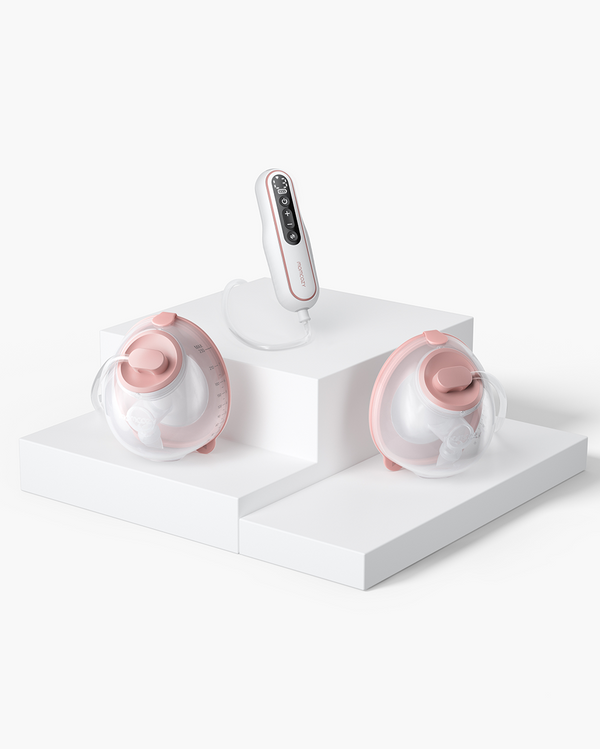
Waiting for that "full" feeling can sometimes feel like a bit of a gamble. However, with the right equipment, you can make every minute count. ⏳ Discover the Momcozy M9 Hands-Free Breast Pump, designed for powerful, efficient, and comfortable milk expression that fits into your busy Aussie lifestyle. ✨
How Can Australian Mums Boost Their Milk Replenishment Naturally?
Yes, you can encourage your body to speed up the refill process. Here are a few effective methods:
Maintain High Hydration Levels
In the Australian climate, especially during a scorching summer, staying hydrated is non-negotiable. Aim for at least 2 to 2.5 litres of water daily. If you are thirsty, your milk production may already be slowing down. Always keep a chilled bottle of water nearby during your pumping sessions.
Focus on a Nutrient-Dense Diet
Your body needs fuel to produce milk. Focus on high-protein options like eggs, lean meats, and legumes, alongside healthy fats from avocados and nuts. Many mums find that "lactation-friendly" foods like oats and brewer's yeast provide a helpful boost. Don't forget your leafy greens for those essential vitamins!
Pump or Nurse Regularly
Consistency is key. Regular milk expression signals your body that there is a high demand. If you are an exclusive pumping mum, aiming for a session every 2–3 hours (similar to a newborn’s feeding schedule) will keep your supply signals strong. The Momcozy M9 Hands-Free Breast Pump allows you to stick to this schedule even when you're busy with housework or back at the office.
Gently massaging your breasts before and during your session can help stimulate flow and ensure you empty the ducts more thoroughly. Using warm compresses before you start can also help relax the muscles around the milk ducts, making the expression process much smoother.
Prioritise Rest and Calm
It sounds difficult with a new baby, but stress and fatigue can hinder your hormones, including oxytocin, which is vital for milk flow. Take a few deep breaths, try a short nap when the baby sleeps, or use mild stretching to lower your stress levels.
Aussie Mummy Tip: If you are heading back to work, talk to your employer about your rights. Under Australian law, you are entitled to lactation breaks and a private space to express milk.
How to Optimise Your Pumping Routine for Maximum Output?
Establishing a consistent routine is the best way to ensure you have enough milk for the next feed. Here is how to fine-tune your approach:
Stick to a Timetable
Create a Pattern: Try to pump every 2–3 hours. This mimics a baby's natural demand and trains your body to produce milk at those specific times.
Be Consistent: Keeping your daily routine as steady as possible helps regulate your hormones and ensures a more predictable flow.
Customise Your Pump Settings
Find Your Comfort Level: Always start with a low suction setting and gradually increase it. The Momcozy M9 features five different modes, including the MyFlow™ mode, which allows you to create a personalised pattern that feels natural to you.
Monitor Your Intake
Drink Enough: Proper hydration is the foundation of milk supply. In addition to water, some mums find electrolyte drinks or breastfeeding-specific herbal teas helpful.
Eat for Energy: Ensure you are eating enough calories from whole grains and healthy fats to support the energy-intensive process of lactation.
Express After Nursing
The "Finish" Pump: If you are both nursing and pumping, try a quick session immediately after your baby finishes. This ensures the breast is completely drained, which is a powerful signal for your body to produce more milk next time.
Keep a Simple Log
Track Your Progress: Note down your pumping times and the amount expressed (in ml). This helps you identify your peak production times and adjust your schedule accordingly.
FAQs for Australian Mums
Do empty breasts refill faster?
Yes, they do. Lactation works on a supply-and-demand basis. When the breast is empty, the rate of milk synthesis is at its highest. By draining your breasts frequently, you signal to your body that demand is high, prompting it to refill more rapidly.
How does the Australian summer affect my milk refill speed?
Heat can lead to dehydration, which is a major cause of a temporary dip in milk supply. During an Aussie summer, ensure you are drinking plenty of fluids and staying in the shade. If your body is struggling with heat stress, it may prioritise cooling you down over milk production.
Can Centrelink payments or PPL affect my breastfeeding journey?
While the payments themselves don't affect biology, the Australian Paid Parental Leave (PPL) scheme provides you with the time needed to establish a strong supply. Having those weeks at home allows you to pump and nurse frequently, which is the best way to ensure a fast refill rate long-term.
What if my breasts don't feel "full" before the next pump?
A "full" feeling isn't always necessary for a successful pump. Your breasts are always making milk. If they feel soft, they are actually in their most efficient production phase. Trust the process and stick to your schedule!
Conclusion
In summary, while the exact time for your breasts to refill varies, understanding the supply-and-demand loop is the best way to manage your feeding journey. By staying hydrated in the Aussie heat, using the right tools like the Momcozy M9, and maintaining a consistent routine, you can ensure your baby always has the nourishment they need. Remember, every mum's journey is unique—be patient with yourself as you find your rhythm.
Disclaimer
The information provided in this article is for general informational purposes only and does not constitute medical advice, diagnosis, or treatment. Always seek the advice of your physician or other qualified health provider regarding any medical condition. Momcozy is not responsible for any consequences arising from the use of this content.