Many new Aussie mums find themselves peering at their expressed milk, wondering why it looks a bit different from one session to the next. You might notice your milk looks creamy and thick one morning, then thin or transparent the next. It is completely natural to feel a bit concerned and wonder, "is my breastmilk too watery?" or if your bub is still getting the vital nutrients they need to thrive. Understanding the biology of lactation and what influences the consistency of your "liquid gold" can help settle those new-parent nerves.
Now that we have set the scene, it is important to remember that seeing very watery breastmilk is usually a sign that your body is working exactly as it should. Whether you are preparing to return to work under the Australian Paid Parental Leave (PPL) scheme or nursing during a scorching summer in Queensland, your milk adapts to your baby's needs. Let's look at the fascinating details of what controls milk composition and why that thinner milk is just as precious as the thick stuff.
What Does Watery Breast Milk Actually Mean for Your Bub?
It is perfectly normal to observe that your milk looks thin or even bluish at certain times, particularly at the start of a session. When mums see this, they often worry their milk lacks "goodness" or won't keep their baby full. However, mature breast milk is incredibly dynamic. Its texture and nutrient profile shift based on the time of day, your diet, and even the local temperature. Whether you are using a dummy to soothe your bub between feeds or following a strict nursing schedule, your body knows how to balance hydration and calories.
Aussie Mummy Tip: Don't compare your milk to others! Every mum’s milk is unique. If your bub is reaching their milestones and has plenty of wet nappies, your milk is doing its job perfectly, regardless of how it looks in the bottle.
Why is My Breast Milk Thin and Clear?
Breastmilk often appears watery at the beginning of a feed; this is known as foremilk. It is designed to be refreshing and serves as a natural thirst quencher for your baby. As the feeding progresses, the milk transitions into hindmilk, which is richer in fats and kilojoules. Here are three common reasons why your breast milk is watery:
The Foremilk and Hindmilk Dynamic
Your body naturally produces two "types" of milk in one session. Foremilk is the lighter, high-volume milk that comes first. It is packed with protein and lactose but lower in fat, making it look transparent. As your bub continues to nurse, the fat globules that stick to the milk ducts are released, creating the creamy hindmilk. If a baby has a "snack" rather than a full meal, or if you switch breasts too early, they might mostly get the watery foremilk.
Using a nursing pillow can help you maintain a comfortable position for longer, ensuring your bub stays latched long enough to reach that calorie-dense hindmilk. If you are struggling with a massive oversupply, you might find you have an abundance of foremilk, which can sometimes lead to "foremilk/hindmilk imbalance." If you're concerned about your bub's digestion or growth, chatting with a lactation consultant at your local Australian Child and Family Health Centre is a great move.
Feature
Foremilk
Hindmilk
Appearance
Breast milk is watery and thin
Breast milk is creamy and thick
Timing
At the start of the session
At the end of the session
Purpose
Quenches bub's thirst
Helps with weight gain
Composition
Lower fat, higher lactose
Higher fat, more energy
How Your Hydration Affects the Mix
In the harsh Australian climate, staying hydrated is vital. Your own water intake influences the water content of your milk to ensure your baby stays hydrated too. On a 35°C day in Sydney or Perth, your milk might naturally appear more watery to provide the extra fluids your bub needs. While drinking enough water is essential for your health, over-hydrating to the point of forcing fluids won't necessarily "fix" watery milk—it’s about finding a healthy balance.
Dietary Influences
What you eat plays a role in the quality of your milk. If your diet is consistently very low in healthy fats, it can occasionally reflect in the appearance of your milk. However, it is more about the type of fat than the total amount. A diet rich in Mediterranean-style fats can help ensure your milk is nutrient-dense and satisfying for your baby.
Focus on incorporating healthy fats like those found in salmon, avocado, or Aussie-grown macadamia nuts. Including foods rich in Omega-3s, like chia seeds or flaxseeds, can improve the overall quality of your milk. By eating a varied, whole-food diet, you ensure your bub gets high-quality breast milk to support their development.
Aussie Mummy Tip: During a summer heatwave, your bub might want to nurse more frequently but for shorter periods. This is their way of getting more watery foremilk to stay hydrated. Trust their instincts!
What Factors Control the Consistency of Your Expressed Milk?
Several technical factors determine whether your milk looks watery or thick during a pumping session:
Timing within the Session: Much like breastfeeding, the first 50mL of expressed milk will likely look thinner than the last 50mL.
Frequency of Expression: If you are pumping frequently (for example, every 2-3 hours), your breasts stay "emptier." Interestingly, fat content rises as the breast is drained. Frequent pumping can actually lead to milk that is consistently higher in fat.
Storage and Temperature: A study has noted that the process of cooling, freezing, and thawing can affect fat globules. This might make previously thick milk appear more separated or watery once it’s back at room temperature.
Is Your Watery Breast Milk Providing Enough Nutrition?
Absolutely! Watery breast milk is still a nutritional powerhouse for your baby. While the clear, thin foremilk might look less "substantial," it is loaded with the vitamins, minerals, and antibodies your bub needs to build a strong immune system. It provides the hydration necessary to prevent heat stress, especially in the warmer parts of Australia.
The combination of foremilk and hindmilk ensures your baby receives a balanced "meal" of hydration and calories. Even if your milk looks like skim milk at times, it is perfectly tailored to your baby's current stage of growth. There is no such thing as "weak" breast milk.
How Can You Boost Breast Milk Fat Content During Feedings?
If you are concerned that your bub isn't getting enough of the "creamy stuff," there are several practical ways to encourage a richer milk consistency:
Drain the First Breast Completely
Breast Massage and Compression: Gently massaging your breasts towards the nipple while pumping or nursing can help dislodge fat globules that are sticking to the duct walls, moving them into the milk flow.
Optimise Your Pumping Routine: Frequent emptying tells your body to produce more fat-rich milk.
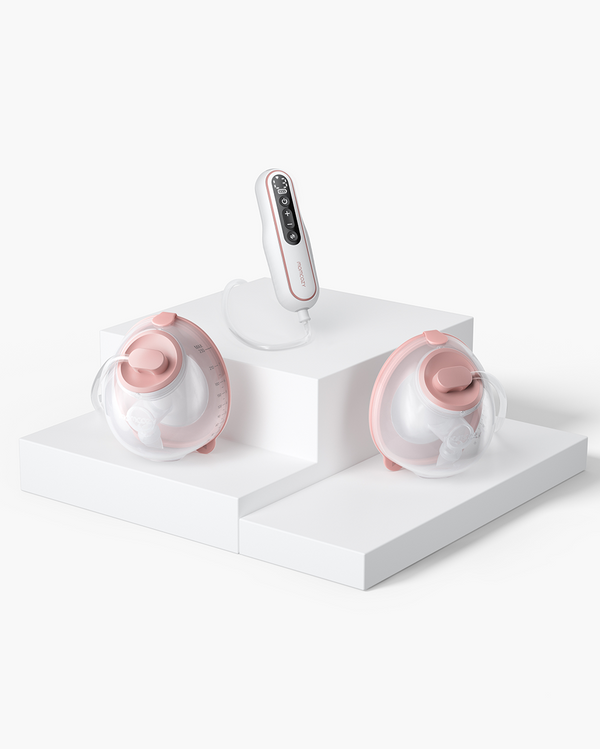
Invest in a reliable wearable breast pump, such as the Momcozy Mobile Flow (M9). Its hands-free design is perfect for Aussie mums who need to stay mobile, and its professional modes help mimic a baby's natural nursing pattern for better drainage.
Try "power pumping" for a few days to signal your body to increase richness.
Pump for a few minutes after your bub has finished nursing to capture the last of the fatty hindmilk.
Dietary Adjustments: Add healthy fats like olive oil, seeds, and nuts to your meals.
Strategic Expression: If you have an oversupply, you can hand-express a small amount of foremilk into a cloth before your bub latches, so they get to the hindmilk sooner.
Aussie Mummy Tip: If you're heading back to work soon, start building your freezer stash with the "second half" of your pumping sessions, which is usually higher in fat, to keep your bub satisfied while you're away.
Why Does My Stored Breast Milk Separate into Layers?
It is 100% normal for breast milk to separate when it sits in the fridge or a cool bag! Unlike the homogenised cow's milk you buy at Coles or Woolies, breast milk isn't processed to stay mixed. The fat (the cream) will naturally float to the top, while the watery part stays at the bottom. This doesn't mean it has "gone off." Simply give the bottle or bag a gentle swirl (don't shake it vigorously) to mix the layers back together before feeding your bub.
FAQs for Australian Parents
Q1: Can the Australian summer make my breast milk more watery?
Yes, your body is clever! In very hot weather, your milk might increase its water content (foremilk) to ensure your baby stays hydrated. This is a natural response to prevent dehydration in your bub during heatwaves.
Q2: Does returning to work and pumping affect milk thickness?
If you are pumping regularly while at work, your milk consistency should stay balanced. However, stress or long gaps between sessions can sometimes affect let-down. Using an efficient pump like the Mobile Flow M9 can help you maintain a high fat content by ensuring your breasts are emptied effectively during your tea breaks.
Q3: Should I be worried about "watery" milk if I'm on a Centrelink PPL plan?
The Australian Paid Parental Leave scheme allows you time to establish your supply. Don't let the appearance of your milk stress you out during this bonding time. Consistency changes are normal and rarely indicate a medical issue with your nutrition.
Q4: My expressed milk looks blue-ish. Is it safe?
Yes! A slight blue or clear tint is very common in foremilk. It is simply the way light reflects off the lower-fat milk. It is still safe, healthy, and full of antibodies for your bub.
Conclusion
In short, seeing changes in the look and feel of your breast milk is just part of the motherhood journey. Whether it’s creamy, watery, or somewhere in between, your "liquid gold" is a living fluid that adapts to support your baby's health and growth. By understanding the foremilk/hindmilk balance and staying hydrated in the Aussie sun, you can feel confident that your bub is getting exactly what they need. If you ever have persistent concerns about your baby's weight gain or nappy count, don't hesitate to reach out to a lactation consultant or your GP for tailored advice.
Disclaimer
The information provided in this article is for general informational purposes only and does not constitute medical advice, diagnosis, or treatment. Always seek the advice of your physician or other qualified health provider regarding any medical condition. Momcozy is not responsible for any consequences arising from the use of this content.