How much milk am I supposed to pump? It is a question that pops up in almost every mother’s group across Australia. Whether you are expressing to build a "freezer stash" before your Paid Parental Leave (PPL) ends or you are exclusively pumping, the "right" amount is different for everyone. Your output depends on your baby’s age, your hormone levels, and even how hydrated you stay during a scorching Aussie summer. Let’s look at the typical volumes so you can feel confident and relaxed about your breastfeeding journey.
What Volumes Should You Expect to Pump as Your Little One Grows?
The amount of milk you express will naturally increase as your baby’s tummy expands. In the early days, you might only see a few droplets of "liquid gold," but this soon grows into full bottles as your supply settles. Here is a guide to what is typical for different stages, measured in millilitres (ml) to match Australian health standards:
Baby Age
Typical Daily Pump Volume
Feeding Frequency
Newborn
30-60 ml
Every 2-3 hours
2-4 Weeks
60-90 ml
Every 2-3 hours
1-2 Months
120-150 ml
Every 3-4 hours
3-4 Months
120-180 ml
Every 3-4 hours
6 Months
180-230 ml
Every 4-5 hours
6-9 Months
180-230 ml
Every 3-4 hours (day)
9-12 Months
180-230 ml
Every 3-4 hours (day)
Aussie Mummy Tip: Don't compare your "output" to what you see on social media. As long as your baby is hitting their growth milestones on their Blue Book (My Health Record), you are doing a brilliant job!
Why Does a 20-Minute Expressing Session Vary So Much Between Mums?
Most Aussie mums find that a 20-minute session is the "sweet spot" for expressing, especially when fitting it in during a tea break at work. However, the volume you get depends on how established your supply is:
New Mums (0-6 weeks): You might express roughly 30-60 ml per breast in a single 20-minute window.
Established Supply (6+ weeks): Once your body understands the demand, you could see between 90-150 ml per breast.
Keep in mind that factors like hydration (essential in our heat!), your diet, and stress levels can change these numbers from day to day.
Aussie Mummy Tip: On high-UV days, your body needs extra fluids to keep up with milk production. Keep a 1-litre water bottle nearby every time you sit down to pump.
How Can You Calculate the Right Amount of Expressed Milk for Every Feed?
The goal is to feed your baby roughly the same amount they would receive if they were feeding directly from the breast. This varies based on their weight and age. Here is the breakdown in millilitres:
Every baby is an individual. Some will drink a bit more during a growth spurt, while others might take less on very hot days.
Aussie Mummy Tip: If you are out at a BBQ or the beach, ensure your expressed milk is stored in a high-quality insulated bag with an ice pack to meet ACCC safety standards.
What Are the Common Reasons for a Dip in Your Expressing Output?
It is perfectly normal to worry about your supply, especially if you are transitioning back to work or your baby is going through a "leap." If you feel you aren't producing enough, a reliable electric breast pump is your best tool to boost those numbers.
Low Supply Issues
Supply often drops due to infrequent expressing or high stress. While we can't always control a busy schedule, your body needs the "demand" signal to create the "supply." Fatigue and illness can also play a role. Make sure you are taking time for yourself—even a 10-minute rest can help your oxytocin levels.
Using the Wrong Equipment
If you are still struggling with a manual pump, it might be time to upgrade. Modern wearable breast pumps allow you to express while you fold the laundry or prepare school lunches. They are efficient, quiet, and much less tiring.
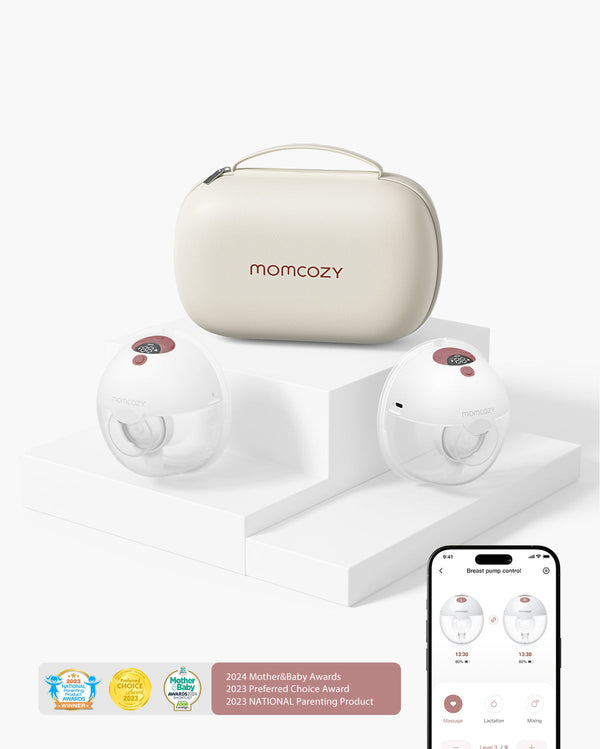
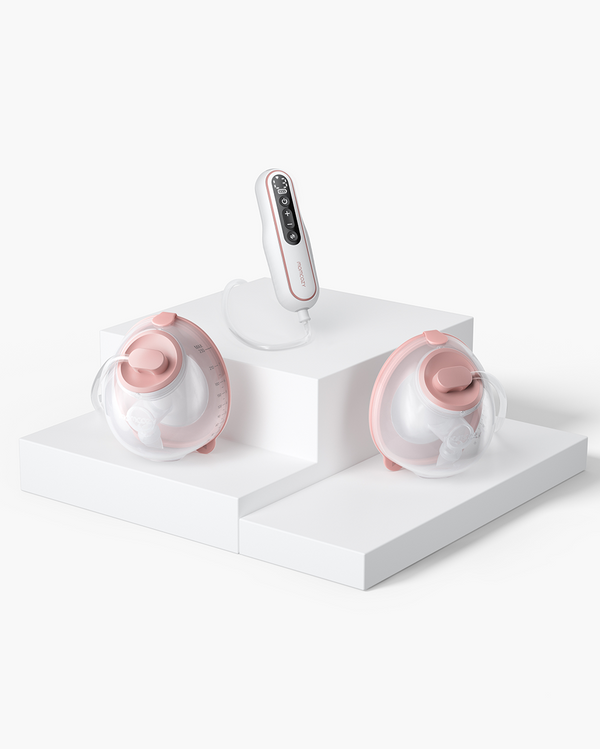
For high-quality options, many Aussie mums choose the Momcozy M9, M5, or the Air 1. These models offer customizable settings that mimic a baby’s natural suckling, which helps maximise your yield.
Don't forget your nursing essentials either. The YN46 nursing bra provides the support you need to hold wearable pumps in place securely. It was even named a top pick by Netmums for its comfort and style.
The Momcozy M9 Mobile Flow™ is a standout choice for the busy Aussie lifestyle. With suction up to -300mmHg and an easy-to-use app, it’s perfect for expressing on the go. 🤱✨ Check out the Momcozy M9 today!
If discretion is your priority, the Momcozy Air 1 Ultra-Slim is a game-changer. At just 6 cm thick, it is incredibly slim, making it almost invisible under your favourite singlet or dress. ✨ Get your Momcozy Air 1 and simplify your routine.
The Momcozy M5 is another favourite, weighing only 230g. It offers three modes and nine gears to suit your comfort level perfectly. 🎯 Try the Momcozy M5 now!
If the suction is too high, it can cause pain, which actually stops your milk from flowing. If it is too low, you won't empty the breast properly. Always aim for the "strongest comfortable suction." Also, ensure your flange size is correct—using the wrong size can lead to blocked ducts and reduced supply over time.
Aussie Mummy Tip: Under the Fair Work Act, Australian employers are encouraged to provide "lactation breaks." Don't be afraid to ask for a private space and time to express at the office!
How Do You Keep Your Supply Consistent While Exclusively Pumping in Australia?
Exclusive pumping is a big commitment, but it is entirely possible to maintain a full supply for your baby. Here are some pro-tips for the Australian context:
Stick to a schedule: Aim for every 2-3 hours. Consistency is what tells your body that your baby is "hungry."
Eat well: Focus on nutrient-dense foods like oats, flaxseeds, and plenty of fresh Aussie produce.
Try "Power Pumping": This mimics cluster feeding. Pump for 20 minutes, rest for 10, then pump for 10. It is a great way to signal for more milk.
Massage: Gently massaging the breast before you start can help move the milk forward, especially if you have a slight blockage.
Check your parts: In our humid climate, ensure your pump parts are cleaned and dried thoroughly to prevent any mould or hygiene issues.
Aussie Mummy Tip: Breast milk works on supply and demand. If you're heading back to work soon, start your "stash" early to take the pressure off your daily routine.
When to Seek Help
If you have tried adjusting your routine and the numbers still aren't climbing, reach out to a professional if:
Your output is consistently much lower than what your baby needs to be satisfied.
You feel sharp pain, see redness, or feel "flu-like" symptoms (which could be mastitis).
Your baby isn't gaining weight or having enough wet nappies.
When to Supplement with Formula
Sometimes, despite our best efforts, we need a little extra help. Supplementing with formula is a valid choice to ensure your baby stays healthy and hydrated. Consider this if:
Your baby is showing signs of dehydration or persistent hunger.
The stress of exclusive pumping is affecting your mental health. A happy mum is the most important thing for a baby.
You have a medical condition that limits milk production.
FAQs
Is there any financial help for breastfeeding equipment in Australia?
While Medicare doesn't directly cover the cost of a pump, some private health insurance extras policies provide a rebate for "Health Management" equipment. It is worth checking with your provider. Additionally, if you are on a low income, some local councils or hospitals offer pump hire schemes.
How do I store milk safely during an Australian summer?
Freshly expressed milk can sit at room temperature (up to 26°C) for about 4 hours. However, on a 35°C day, you should get it into a fridge or an insulated cooler bag immediately. Always follow the Australian Breastfeeding Association (ABA) guidelines for storage times.
Can I mix milk from two different sessions?
Yes, but make sure they are at the same temperature first. Don't add warm, freshly expressed milk to a cold bottle in the fridge. Let the new milk cool down first, then combine them. This prevents the chilled milk from warming up and growing bacteria.
What if my baby prefers the bottle over the breast?
This is common and is often called "nipple preference." Try using a slow-flow nipple on the bottle and practice skin-to-skin time to encourage your baby back to the breast when they are calm and not overly hungry.
Final Words
Try not to get hung up on every single millilitre. Your body is amazing, and your supply will fluctuate based on how much sleep you get and even the weather. Stay consistent, stay hydrated, and remember that there is plenty of support available through the Australian Breastfeeding Association or your local child health nurse.
Disclaimer
The information provided in this article is for general informational purposes only and does not constitute medical advice, diagnosis, or treatment. Always seek the advice of your physician or other qualified health provider regarding any medical condition. Momcozy is not responsible for any consequences arising from the use of this content.