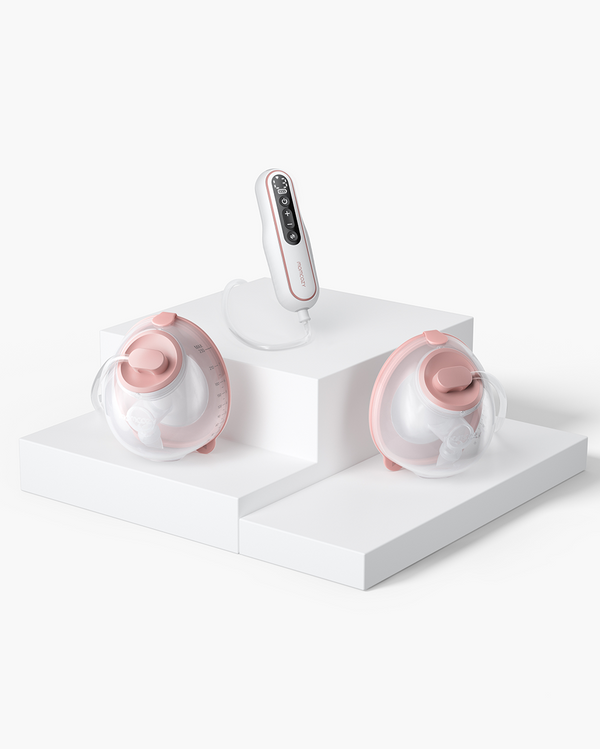
For many Australian mums, breastfeeding and pumping are essential parts of the parenting journey, especially when preparing to return to work. Under the Australian Government’s Paid Parental Leave (PPL) scheme, many parents find themselves transitioning back to the office while still needing to maintain their milk supply. However, it can be incredibly stressful when your equipment doesn't play part. In this guide, we look at the common reasons why pumping may not be working as effectively as it should and offer straightforward fixes to get you back to your routine quickly.
Aussie Mummy Tip: If you are returning to work, remember that Australian workplace laws support your right to have lactation breaks and a private space to pump. Knowing your rights can help reduce the stress that sometimes impacts milk flow!
What exactly makes a breast pump work for your milk supply?
A breast pump is a clever tool designed to help mums express milk for later use or to relieve engorgement. Whether you use a motor-driven electric model or a simple hand-operated manual version, the goal is the same: to safely extract milk for your baby. These devices use suction cups that fit over the nipple, leading to containers that allow you to safely store the milk for the next feed. The mechanism works by creating a rhythmic vacuum that mimics the way a baby naturally suckles.
Most modern devices allow you to customise the rhythm and strength to match your comfort level. While electric breast pumps are often the fastest choice for busy schedules, manual versions are handy for a quick session in your nappy bag. Regardless of the type, keeping every component clean is vital. This ensures your pump meets hygiene standards and continues to function reliably for every session.

Why is my breast pump not working effectively? 5 common culprits
Even when we understand how a breast pump works, things don't always go to plan. If you find your breast pump not working on one side or losing power, it’s usually down to one of these five factors.
Aussie Mummy Tip: Our harsh Australian sun can actually degrade silicone parts if they are left in a hot car or near a window. Always store your pump parts in a cool, shaded spot to keep the suction strong.
Reason 1: Small errors in how the pump is used
While using a pump feels like second nature after a while, tiny oversights can stop the suction entirely. Check these common errors:
- Flat Batteries: If you use a portable pump, ensure it is fully charged. Once the battery runs low, the motor may struggle, leading to the perception that your electric breast pump is not working.
- Incorrect Assembly: In the rush of a morning routine, it is easy to misplace a valve or membrane. Every piece must be snugly fitted; even one loose connection can break the entire vacuum seal.
- Inappropriate Settings: Every mum’s body responds differently. If you are pumping too soon after birth or for very short bursts, your milk output might suffer. Take time to read the manual to find the "sweet spot" for your unique needs.
- Poor Positioning: Ensure the flange is flush against your skin with no air gaps. Without a perfect seal, the pump cannot create the vacuum needed to express milk effectively.
Reason 2: Components that require adjustment or replacement
Even if you follow the instructions perfectly, the physical parts of the machine can wear down over time, which explains why is my breast pump not working as well as it used to.
-
The Wrong Flange Size: The tunnel that fits over your nipple must be the correct diameter. If it’s too large or too small, you won’t get a proper seal, making it difficult to extract milk. Measuring your nipples is the best way to ensure a perfect fit.

- Worn Seals and Gaskets: Over time, the flexible parts of your pump can stretch or tear. This allows air to leak in, reducing suction power. Replacing these regularly is key to maintaining peak performance.


- Blocked or Dirty Breast Pump Parts: Dried milk residue can block the air paths or valves. If you notice a drop in suction, check the tubing for any moisture or buildup. Always wash and completely dry your parts after every use.
Reason 3: Mechanical pump failure
Sometimes the issue is internal. If the device has been dropped or has reached the end of its lifespan, you might face a mechanical failure:
- Motor Failure: The motor is the "heart" of the machine. If it makes strange grinding noises or won't turn on even when charged, the motor may be damaged.
- Fragile Accessories: Check your valves and membranes for tiny cracks. In Australia’s varying climate, these silicone pieces can eventually become brittle and lose their effectiveness.
Reason 4: Using a pump that doesn't suit your needs
Not all pumps are created equal. If you find your breast pump not suctioning well, it might simply lack the power required for your body. Consider these features when choosing a new model:
- Adjustable Suction: Look for a pump that lets you fine-tune the strength. This helps you find a comfortable level for extracting more milk. For instance, the Momcozy M9 features a 3rd-gen motor providing powerful suction up to -300mmHg across 15 different levels.
- Simulated Suckling Modes: A "let-down" mode is essential for starting the milk flow quickly before switching to a steady expression mode.
- Advanced Flange Design: The material of the flange matters. The Momcozy M9 uses the DoubleFit™ Flange, which uses soft silicone for comfort and rigid silicone to prevent leaks, improving efficiency by over 28% compared to standard designs. This is perfect for Aussie mums who need to pump efficiently during a short lunch break.


Reason 5: Physical and emotional well-being
Sometimes the hardware is fine, but your body isn't responding. Factors like stress or health can influence why is my breast pump not working effectively today.
- Health and Hormones: Issues like hormonal imbalances or dehydration—especially during a hot Australian summer—can lower your supply.
- Pumping Anxiety: If you feel rushed or stressed, your "let-down" reflex might be inhibited.
Try to create a relaxing environment. Whether it’s playing some music or sitting in a cool, air-conditioned room, relaxation is key. Using a nursing pillow can also provide the physical support needed to help you relax during the process.
How can I troubleshoot my breast pump suction issues quickly?
If you are struggling with your device, we can use the Momcozy M9 as a guide for some practical troubleshooting steps.
Problem 1: The pump won't start
- Check the Power: First, ensure the battery isn't dead. Try plugging it into a certified charger to see if the status lights react.
- Light Indicators: If the lights don't show up, there may be an internal electrical fault.

Problem 2: Total loss of suction
If your breast pump is not suctioning at all, test the motor by turning the unit on and covering the air outlet with your finger. If you feel no pull, the motor likely needs professional service or replacement.

Problem 3: The suction feels weak
To boost performance, try these steps:
- Re-assemble: Follow your manual to ensure every part is clicked into place.
- Proper Alignment: The flange must be centred and snug. A quality pumping bra can help keep the unit in the exact right position for continuous suction.

- Check Silicone Parts: Inspect all silicone parts for wear. We recommend replacing these every 3 months for the best results.
- Adjust Levels: Don't be afraid to increase the suction level if it feels too low.
Problem 4: Issues turning the device off
If the button doesn't respond, break the vacuum seal manually by sliding a finger between the flange and your breast. Once the pressure is released, the power button should function normally.
Problem 5: The device shuts down suddenly
Most modern pumps have a safety timer. The M9, for example, turns off after 30 minutes to prevent over-pumping. Simply press the power button again if you haven't finished your session.
Problem 6: Moisture in the pump
- Surface Water: Wipe it dry immediately. Let the unit sit with the port facing down for 24 hours.
- Submerged Pump: If it falls into water, do not turn it on. Contact support immediately, as this is a safety risk under ACCC guidelines.
Problem 7: Charging difficulties
Check the USB-C cable for any damage. Ensure it is pushed firmly into both the pump and the wall socket. If it still won't charge, try a different cable to rule out a faulty cord.

Problem 8: Motor is running but no milk is coming out
Check your positioning. Your nipple must be perfectly centred in the tunnel. Press the pump firmly against the breast to ensure the seal is airtight before starting the motor again.
What are the secrets to a stress-free pumping journey in Australia?
While encountering a breast pump not working can be a hurdle, understanding the "why" and "how" of troubleshooting makes the journey much easier. By staying on top of part replacements and ensuring a proper fit, you can pump with confidence. If you continue to have trouble, reaching out to a local lactation consultant or your GP can provide the personalised support you need for your breastfeeding journey.
Aussie Mummy Tip: Keep a 1-litre bottle of water with you during every session. In our climate, staying hydrated is the #1 way to keep your supply steady!
Frequently Asked Questions for Aussie Mums
1. Can I claim my breast pump on the Paid Parental Leave (PPL) scheme?
While the PPL provides income, it doesn't directly reimburse equipment costs. However, many private health funds in Australia do offer rebates for TGA-approved breast pumps—check your policy!
2. How do I handle pumping during a hot Australian summer?
Keep your expressed milk in an insulated cooler bag with ice packs if you are out and about. Heat can cause milk to spoil quickly, so follow the NHMRC guidelines for storage.
3. My pump isn't suctioning properly; could it be the humidity?
High humidity can sometimes cause condensation in the tubes. Ensure all tubes are bone-dry before use, as moisture can damage the motor and reduce suction.