Most new mums receive plenty of breastfeeding advice before and after their baby arrives. There is information about latching, feeding positions, milk supply and how often a newborn should feed.
But once you are home with your baby, things can feel very different.
Sleep is unpredictable, feeding can take up a large part of the day, and eventually there are other things to think about too. Going back to work, leaving the house for longer periods, looking after other children or simply finding time to rest can all change the way breastfeeding fits into everyday life.
This is where practical support can make a real difference.
This World Breastfeeding Week, Momcozy is highlighting the importance of practical breastfeeding support through Breathe & Breastfeed, a regional initiative focused on the realities mothers face throughout their breastfeeding journeys.
In Australia, the initiative came to life through Mums’ Cozy Day, held on 7 August 2026 at The Royal Children’s Hospital (RCH) Melbourne in partnership with theRoyal Children’s Hospital Foundation (RCHF).
The event brought together mothers, healthcare professionals and maternal health voices for open conversations about breastfeeding and some of the challenges that can come with it, including physical discomfort, pumping, returning to work and finding reliable support.
What Does Practical Breastfeeding Support Look Like?
Every breastfeeding experience is different, and the type of support a mother needs can change as her baby grows.
In the early weeks, she may need help with latching or understanding whether her baby is feeding well. Later, she may be thinking about expressing milk, returning to work or spending more time away from her baby.
Sometimes the most helpful thing is having access to a qualified professional who can answer questions and provide guidance based on her individual situation.
“There’s no perfect routine in those early weeks. Mothers and babies are learning from each other, and that takes time,” said Tracy Li, Registered Nurse and Clinical Specialist at the University of Sydney.
“If you have any concerns, don’t hesitate to reach out for help. Support from a GP, midwife, maternal and child health nurse or other qualified health professional can make a real difference when parents are trying to understand what their baby needs.”
Professional advice is important, but it is only one part of breastfeeding support.
The people and environments around a mother can also affect how manageable breastfeeding feels. A supportive partner, a workplace that makes time and space for pumping, or simply somewhere comfortable to breastfeed can all help.
As Ellen Zhou, APAC Marketing Director at Momcozy, explains, “Too much of the breastfeeding conversation still focuses on what mothers should do. We also need to ask what we can do better around them. If we want mothers to feel able to continue breastfeeding, the responsibility cannot sit with mothers alone.”
Why Does the Environment Matter?
Breastfeeding at home can be very different from breastfeeding when you are out.
At home, a mother usually knows where she can sit, where her supplies are and where she can find some privacy. When she is away from home, those things may not be as easy to find.
For mothers who are expressing milk, this can become particularly important. They may need to pump at work, while travelling or while caring for a child in hospital.
Having a suitable place to feed or express milk can make these situations much easier.
As part of its partnership with the Royal Children’s Hospital Foundation, Momcozy is contributing a new feeding and rest space towards the establishment of a permanent “Cozy for Mum” feeding and rest area at The Royal Children’s Hospital.
You can read more about Momcozy's partnership with the Royal Children's Hospital Foundation and how this dedicated space will support families visiting the hospital.
The space will provide mothers visiting or caring for children at the hospital with somewhere comfortable to breastfeed, express milk or take a break.
For a mother who is already dealing with the stress of having a child in hospital, having somewhere suitable to feed or pump can remove one more practical concern from her day.
This is an important part of creating better breastfeeding support. It is not always about giving mothers more information. Sometimes it is about making the environment around them more accommodating.
When Does Pumping Become Part of Everyday Life?
For many mothers, pumping becomes part of their breastfeeding journey at some point.
Some begin expressing milk when they return to work. Others pump so that a partner or another caregiver can help with feeds. Some simply want the flexibility to spend more time away from their baby when needed.
If you're wondering how much milk you might realistically expect to express during a pumping session, our practical guide on how much milk to pump offers a helpful benchmark based on your baby's age and feeding patterns — so you can feel more confident about your output.
This is where choosing a breast pump that fits into everyday life can be helpful.
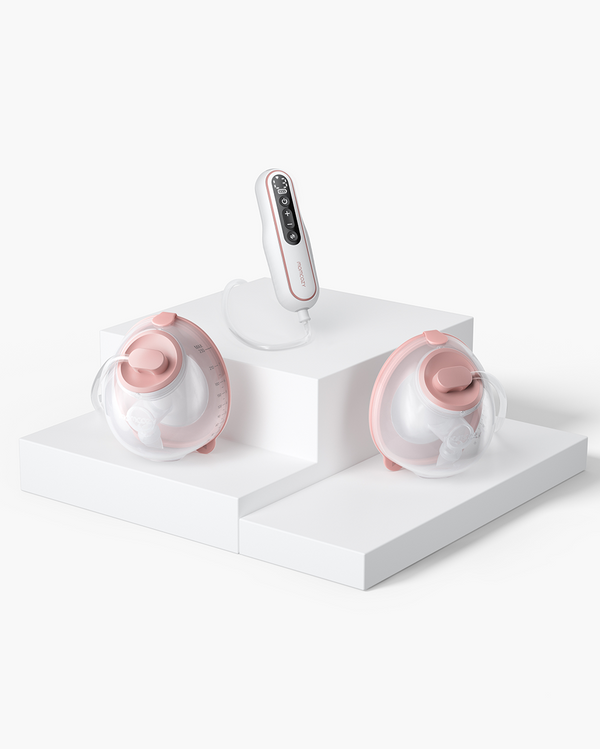
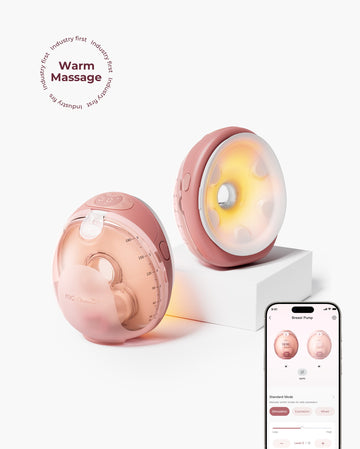
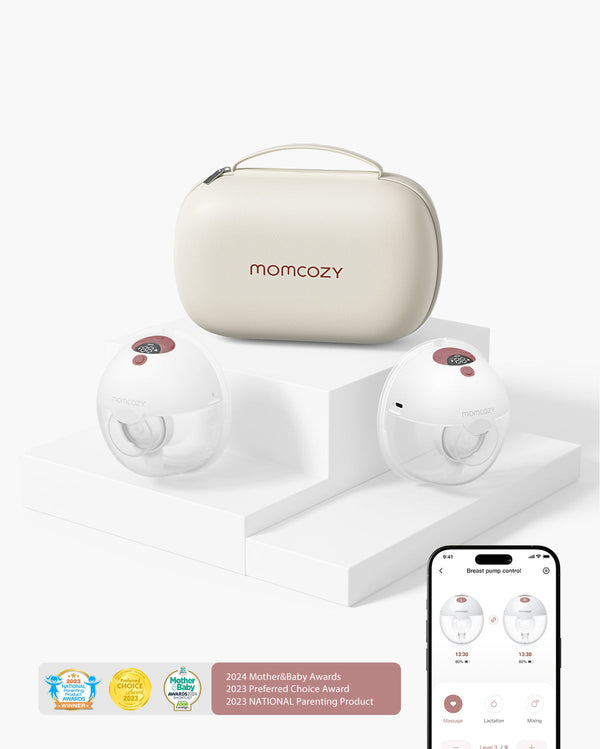
At Mums’ Cozy Day, mothers had the opportunity to experience Momcozy’s range of wearable breastfeeding solutions, including theM5 Smart Wearable Breast Pump,Air 1 Ultra-Slim Wearable Breast Pump and theMomcozy Wellness 1 Warm-Massage Wearable Breast Pump.
Member price
From$179.99Code Save 20%

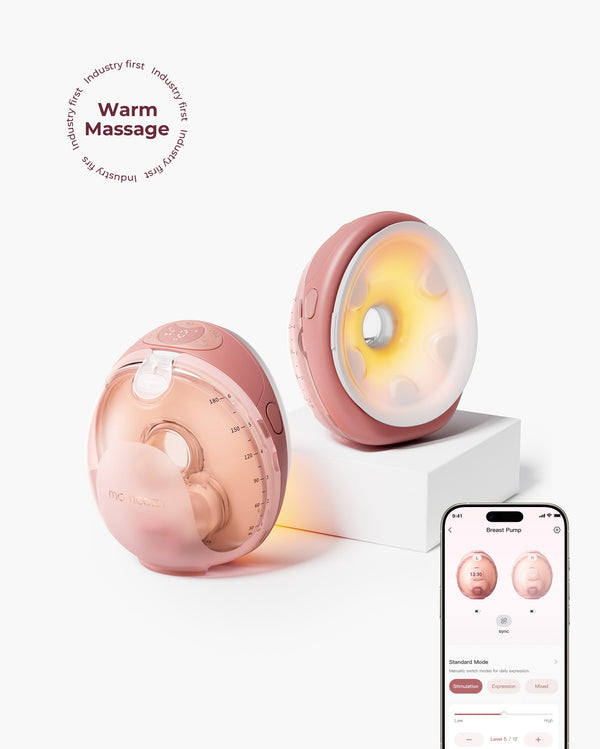
Wearable breast pumps are designed to give mothers more flexibility when expressing milk. They can be particularly useful for mums who need to fit pumping around work, childcare and other daily responsibilities.
And if you ever run into issues with suction, battery life or comfort, our step-by-step guide on troubleshooting your breast pump can help you identify and fix common problems quickly, so you can get back to your routine with minimal disruption.
Of course, a breast pump is not a replacement for professional breastfeeding support. If a mother is experiencing ongoing pain, has concerns about milk supply or is unsure about her baby's feeding, she should speak with an appropriately qualified healthcare professional or lactation professional.
The right equipment can make pumping more convenient, but mothers still need access to the right information and support around it.
What About Returning to Work?
Returning to work can bring a new set of challenges for breastfeeding mothers.
There may be questions about when to pump, where to pump and how to store expressed milk. Some mothers may also worry about finding enough time during a busy working day.
A supportive workplace can make this transition easier.
Having a private space for expressing milk, reasonable time to pump and appropriate storage facilities can help mothers continue expressing milk while they are at work. Having managers and colleagues who understand these needs can also make a difference.
Breastfeeding and pumping are part of many parents' lives. Treating them as a normal part of supporting working families can help remove some of the stress that comes with returning to work.
Is There a Perfect Breastfeeding Routine?
There really isn't.
Some mothers breastfeed directly, some express milk and many do both. Feeding patterns can also change over time as babies grow and family circumstances change.
Returning to work, starting childcare, changes in milk supply or simply finding that a previous routine no longer works can all mean adjusting the way a family approaches feeding.
Momcozy's Put Mum First approach is about helping mothers make informed choices that suit their own circumstances, without adding unnecessary pressure or judgement.
For some mums, that might mean breastfeeding directly whenever possible and pumping when they are away from their baby. For others, expressing milk may become a bigger part of their routine.
There is no single approach that every family needs to follow.
How Can Families Support Breastfeeding Mothers?
Breastfeeding may be something only a mother can physically do, but the people around her can still play an important role.
Partners and family members can help with meals, household chores and older children. They can make sure mum has time to rest and give her space when she needs it.
They can also listen.
Not every difficult day needs another piece of breastfeeding advice. Sometimes a mother simply needs someone to understand that she is tired and offer a helping hand.
Support can also mean encouraging her to speak with a healthcare professional if she is struggling or has concerns about breastfeeding.
What Can We Do to Make Breastfeeding Support Better?
Breastfeeding support needs to extend beyond the individual mother.
Healthcare professionals need to be accessible when mothers have questions. Families need to understand that feeding journeys can change. Workplaces need to consider the practical needs of breastfeeding and pumping employees. Public spaces also have a role to play in making mothers feel comfortable feeding their babies.
Products can help too, particularly when they are designed around the realities of everyday motherhood.
This is the thinking behind Momcozy's Breathe & Breastfeed initiative.
Through Mums’ Cozy Day, its partnership with the Royal Children’s Hospital Foundation and its wider work supporting mothers, Momcozy is encouraging a more practical conversation around breastfeeding.
The focus is not only on what mothers can do differently. It is also on what families, workplaces, healthcare providers, communities and brands can do to make breastfeeding more manageable.
Breastfeeding Support Beyond World Breastfeeding Week
World Breastfeeding Week is a useful opportunity to talk about breastfeeding and the support mothers need. But that support matters throughout the year.
Breastfeeding does not always happen at home with plenty of time and everything within reach. It can happen during a busy workday, while travelling, in a hospital or in the middle of a night when everyone is tired.
Mothers need support that takes these everyday situations into account.
Through Breathe & Breastfeed, Momcozy is continuing its work to encourage practical, informed and judgement-free breastfeeding support. Its Put Mum First approach is about recognising that every mother and every feeding journey is different.
Because sometimes, supporting a breastfeeding mother is not about giving her another piece of advice.
It is about making sure she has the support, understanding and practical options to find what works for her and her baby.
Frequently Asked Questions About Breastfeeding Support

What is breastfeeding support?
Breastfeeding support can include professional guidance, practical help and emotional support throughout a mother's breastfeeding journey.
Support may come from a GP, midwife, maternal and child health nurse, lactation professional, partner, family member or workplace. Breast pumps and other breastfeeding products can also provide practical support when expressing milk becomes part of a mother's routine.
When should I seek breastfeeding support?
You can seek help whenever you have questions or concerns. You do not need to wait until you are struggling significantly.
If you are experiencing persistent pain, have concerns about your baby's feeding or milk supply, or simply feel unsure about something, speak with a qualified healthcare professional or lactation professional.
Is there a correct breastfeeding routine?
There is no single routine that works for every mother and baby.
Some mothers breastfeed directly, while others express milk or combine both. Feeding patterns can also change as babies grow and circumstances such as returning to work or starting childcare come into the picture.
Can I breastfeed and pump?
Yes. Many mothers combine direct breastfeeding with expressing milk.
Pumping can be useful when a mother needs to spend time away from her baby, wants to share feeding responsibilities or needs to express milk while she is at work.
If you are unsure how to introduce pumping or have concerns about milk supply, speak with a qualified healthcare professional or lactation professional.
Are wearable breast pumps suitable for working mums?
Wearable breast pumps can be a convenient option for mothers who need to express milk while managing work and other responsibilities.
Their hands-free design can give some mothers more flexibility, particularly when pumping away from home. However, every mother has different needs, so factors such as comfort, fit and personal pumping preferences should be considered when choosing a breast pump.
How can my partner support breastfeeding?
Partners can help by taking on household tasks, preparing meals, caring for older children and making sure mum has opportunities to rest.
They can also provide emotional support and encourage her to seek professional help if she has concerns about breastfeeding.
How can workplaces support breastfeeding mothers?
Workplaces can support breastfeeding employees by providing a private space for expressing milk, allowing appropriate time to pump and providing suitable facilities for storing expressed milk.
A supportive attitude from managers and colleagues can also make returning to work easier.
Workplace policies and requirements vary, so mothers should check the arrangements that apply to their individual workplace.
Where can I get breastfeeding advice?
A GP, midwife, maternal and child health nurse or qualified lactation professional can provide advice based on your individual circumstances.
If you have concerns about your baby's health, feeding or development, speak with an appropriate healthcare professional.