


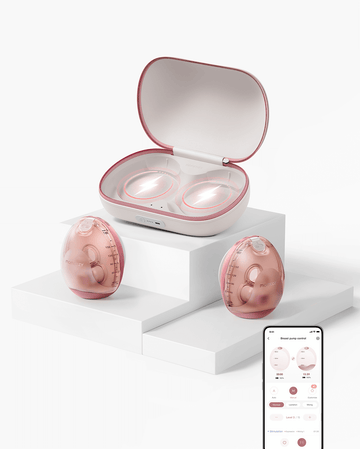
Yesterday the bottles looked fine. Tonight they look half empty, and your evening feed feels slower than it should. A lot of Australian mums hit that scare after a hot afternoon, a skipped work session, or a baby who was too busy to stay on. It can look like a sudden drop in milk supply even when the day as a whole is still ordinary.
Often the dip is a trigger plus less milk coming out, not milk gone for good. Check your baby first. Then add extra, effective removal for about 72 hours. If nappies or you look unwell, ring for help rather than waiting it out.
This is general information, not personal medical advice. For feeding support call the Australian Breastfeeding Association Helpline on 1800 686 268. For health advice use healthdirect on 1800 022 222. In an emergency call 000.
Key Takeaways
- Output can look lower across a single day after missed removal, heat, illness, a period, or a skipped expressing session. That is not the same as milk permanently drying up.
- True worry is judged by the baby: wet nappies, dirty nappies, alertness and weight, not one low bottle or softer breasts.
- The practical first move is more frequent, effective milk removal for about 72 hours, not a special tea from the chemist.
- An evening slow-down, a quieter side, or a crash only at the pump each need a different first step.
- Free same-day help sits with the ABA Helpline 1800 686 268, your maternal and child health nurse, GP, pharmacist or healthdirect.
Can milk supply drop in one day?
It can look that way. A 24-hour dip often follows a change in how often milk is removed, plus heat, a virus, a hormonal day, or poor sleep. That is still a dip. It is not proof your body has shut the factory.
One low pump, or one fussy dusk, is a weak verdict. Mornings usually run fuller. A wearable session in a hot car often looks worse than a calm first feed. Judge the day, then the next day, not a single bottle.
| Usually a one-day dip | Do not wait |
|---|---|
| One lighter session after stretched feeds, dummy use, or a skipped work express | Fewer wet nappies than usual, a baby who is hard to wake, or a dry mouth |
| Softer breasts after the early weeks, with a baby who still swallows and settles | Weight not moving at the maternal and child health nurse, or fever with a red, hot breast |
| A slower evening while the morning still felt full | Output still down after you have already added removal for a couple of days |
Act tonight if the “do not wait” column fits. Extra feeds or expressing can start the same evening either way. The difference is whether you also need a clinician in the room.

How to tell a true dip from a false alarm
The baby, not how full your bra feels, is the useful check. After supply regulates, breasts often feel softer between feeds even when production is matching demand. The Royal Women's Hospital page on low milk supply puts the emphasis on nappies, poo, settling and weight, not on breast “emptiness”.
After the first week, many well babies have at least 6–8 soaked cloth nappies, or 4–5 heavy disposable nappies, in 24 hours, with soft yellow poo in the early weeks and steady weight once they have regained birth weight. Patterns vary. Your maternal and child health nurse can plot the curve without guesswork.
Swallowing at the breast, a baby who wakes for most feeds, and a baby who is mostly content after feeds are reassuring. Fussing at dusk on its own is not a diagnosis. Get help the same day if wet nappies drop, wee looks dark, the fontanelle looks sunken, or your baby is unusually sleepy and hard to rouse.
What usually triggers a fast dip
Most fast dips have a recent trigger plus less milk leaving the breast. The Australian Breastfeeding Association note on why supply may drop starts with missed, delayed or short feeds, dummy use that hides hunger cues, and extra milk that is not matched with expressing.
| Trigger | What it often feels like | First Australian step |
|---|---|---|
| Missed or shorter feeds, dummy instead of a feed, extra milk without expressing | Softer breasts by late afternoon; baby cluster feeding at dusk | Offer the breast at early cues tonight; replace a missed removal |
| Period, ovulation, combined pill, or a new pregnancy | A few lighter days around a bleed, then a bounce | Add feeds for those days; ask a GP or pharmacist about contraception |
| You are sick, or you grabbed cold and flu tablets at the chemist | Lower output while you are wiped out or dried out | Ask the pharmacist before decongestants; keep removing milk; drink to thirst |
| Painful latch, a blocked duct, or mastitis | One side quieter, or a red wedge with flu-like aches | Keep draining if you can; GP the same day if you are feverish or redness is spreading |
| Heat, skipped meals, stress, or a missed work pump after parental leave | A crash that started the afternoon you went back | Replace the missed session; snack and water; ABA if you need a plan |
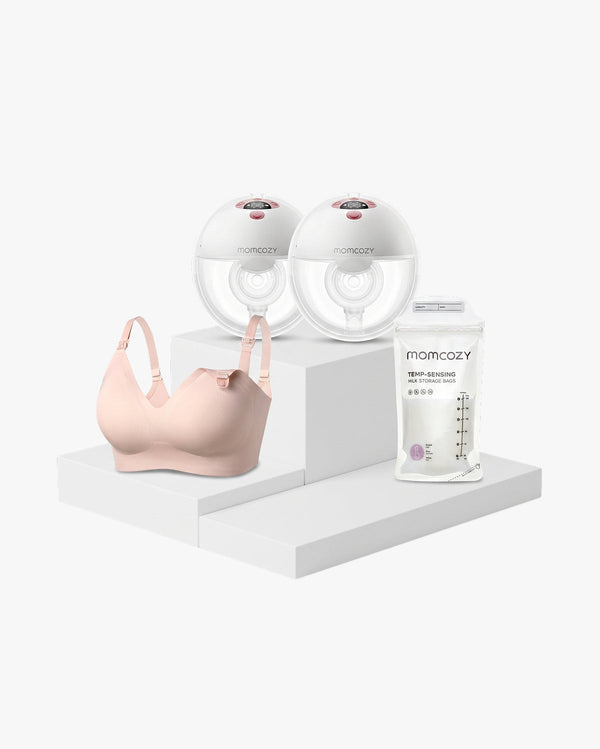
If the dip started the afternoon you went back and skipped a work session, replace that removal first. Some mums keep a wearable such as the Momcozy M5 Smart Wearable Breast Pump for a short extra session at home or at work. That does not treat the dip; it is only one way to get the milk out.
Do not build a “never take X” drug list from a blog. Combined pills and some cold tablets can be a problem for some people. A GP or pharmacist can check your pack. Australian heat is a real dehydration trigger. Carry water in the nappy bag and drink when you sit down to feed.

Does milk supply drop in the evening, or is it a full-day crash?
Flow often feels slower in the afternoon and evening even when the 24-hour total is fine. Many bodies store more overnight and run easier in the morning. Dusk cluster feeding is commonly your baby placing more orders, not proof the tank is empty.
A full-day crash looks different: lighter mornings as well, fewer wet nappies, and a baby who is not settling after most feeds. If only evenings feel slow, protect the morning feed, have a snack and a drink before the witching hour, and try skin-to-skin on the couch rather than stretching the last gap.
When only one side feels quieter
A quieter breast is often mechanical: a preferred side, a shallower latch on that nipple, or a blocked duct. It is not automatically half your supply gone.
Tonight, start on the quieter side, use hand compressions while the baby swallows, then offer the other side. If latch hurts, or the baby clicks and pulls off, get a latch check through ABA or an IBCLC rather than pushing through pain. Fever, spreading redness, or flu-like aches with a hot, red area need a GP the same day. Fenugreek from the chemist is not that appointment.
When output crashes while you are only expressing
A sudden low bottle is often removal or kit, not a broken supply. If breasts still feel full and the bottle looks small, fit, parts and session gaps come before a new timetable. Count sessions across 24 hours first. Then check flanges, valves and whether you skipped the car or office slot on a 38-degree day.
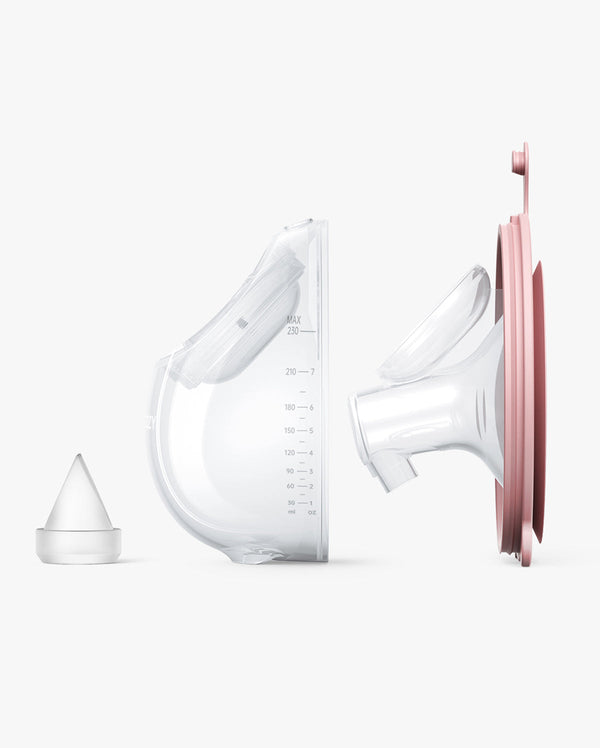
If bottles look small but breasts still feel full after you have checked flange size and spare parts, some exclusive pumpers use the Momcozy V2 Pro Wearable Breast Pump when they want a more complete empty. It does not treat low output. Wash and dry parts after use. How to sterilise pump parts belongs with kit care, not with a fever.
Realistic volumes vary by time of day and how long since the last removal. How much milk to pump is a better yardstick than one evening bottle. If suction feels off, walk through a pump not working check before you rebuild the whole day. Add one session in the next 24 hours. Call ABA if nappies dip.
How to fix a drop in milk supply in 72 hours
The usual first lever is more frequent, effective milk removal for about 72 hours, not a miracle food. The Women's Hospital describes the same idea: frequent stimulation and emptying, which can take time and usually needs skilled support if it is not shifting. There is no reliable way to double production overnight.
- Tonight. Extra breastfeed or express, both sides, compressions, skin-to-skin. Watch swallows, not the clock. If you recently expressed, remember how long after pumping breasts refill is a range, not a switch.
- Next 48 hours. Replace missed childcare or work removals. Protect at least one night removal if you can. Offer the breast when a squirmy older baby will take it in a quiet room. Squirmy feeding is a common 3–6 month trap, not a personal failure.
- What not to do. Do not turn power pumping into an all-day job. One focused hour is plenty if you try it. Skip mystery lactation teas. If extra milk is on the table, that is a conversation with a GP or lactation consultant, not a blog shopping list.
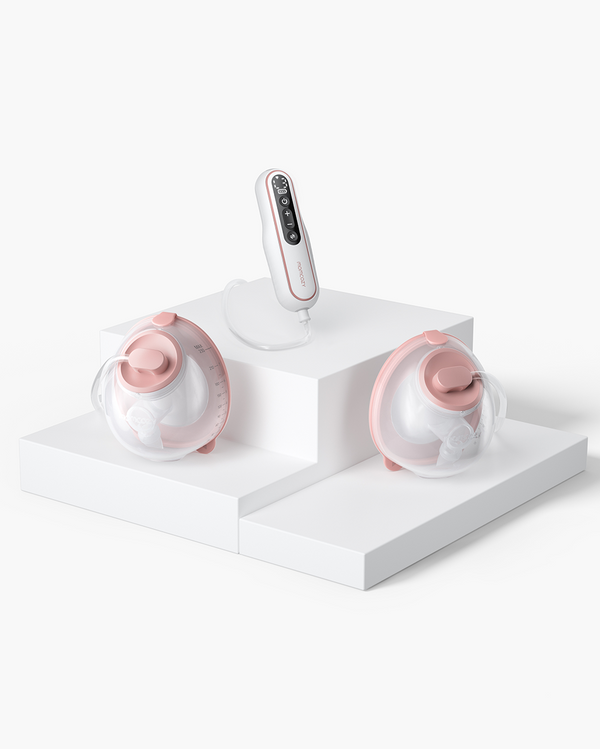
If the gap is the commute or drop-off slot and you need one extra session without sitting still, some mums use a slim hands-free option such as the Momcozy Air 1 Ultra-slim Breast Pump.

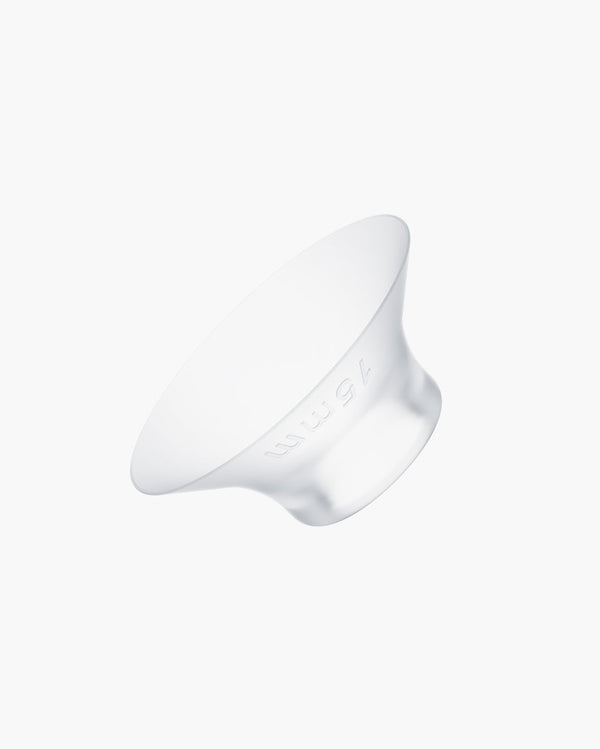
If the extra session is a short one at home, some mums use an M5 Smart between feeds and look at 24-hour output in the app instead of one low bottle. Neither device treats or restores supply.
Screenshot this: extra removal, both sides, water and a meal, ABA 1800 686 268 at the bottom. If nappies or fever sit in the “do not wait” column, screenshot later. Ring first.
Why it often hits at 6 weeks, 3 months, 4 months and 6 months
Australian mums often search this scare at milestone ages because demand or removal changed, not because the body randomly failed. Trust nappies and the scales more than the calendar.
Around 6 weeks. Supply often regulates. Breasts feel softer. Feeds can get quicker as the baby gets efficient. That can feel like a crash when it is mostly matching.
Around 3 months. Babies get distractible. Nights may stretch. A period may return. Offer feeds on waking and in a dim room if daytime feeds keep falling off.
Around 4–6 months. Solids start, childcare bottles can be larger than a breastfeed, and many parents go back to work. Breast milk still matters alongside solids through the first year, in line with NHMRC infant feeding guidance. Replace missed breastfeeds by expressing rather than guessing bottle size.
When to get help in Australia, and who to call
You do not have to solve this alone, and most of the help is free. Pick the number that matches the job so you are not on hold at 2 a.m. for the wrong service.
- ABA Helpline 1800 686 268. Latch, a feeding plan, overnight panic, “is this a dip or a disaster?”
- Maternal and child health nurse. Nappies, weight, a calm second pair of eyes. Book if the curve looks flat.
- GP or pharmacist. Mastitis signs, medicines, contraception, you feeling unwell.
- IBCLC. Skilled transfer assessment if latch or sleepy feeding is the issue.
- healthdirect 1800 022 222 for non-urgent health advice. 000 if your baby is lethargic, working hard to breathe, or you are seriously unwell.

FAQ: Quick answers
Is a one-day crash the same as true low supply?
Not usually. Output can fall across a single day when feeds, expressing, hormones, heat or illness change. Treat it as a dip until nappies, weight or how unwell you feel say otherwise. Extra removal can start the same night.
Does your period cause a drop in milk supply?
Many mums notice a few lighter days before or during a bleed. Extra feeds on those days often help. If the dip lasts through more than one cycle, ask your GP to review contraception and other hormones rather than guessing.
Why does my milk supply drop in the evening?
Evenings often feel slower because mornings run fuller and babies cluster at dusk. That pattern can be normal across 24 hours. Add a morning removal and a snack before the witching hour if evenings are the only weak spot.
Can milk supply drop in only one breast?
It can. Start on that side, compress, and get a latch check if it lasts. Red, hot, feverish breasts are a GP job the same day, not a tea.
What should I do if my supply drops while exclusively pumping?
Count sessions, check parts and flange fit, add one session, then watch nappies. A single low bottle in the heat does not rewrite your whole plan. ABA can help you sort kit from true low production.
When should I call the ABA, my maternal and child health nurse or a GP?
ABA for latch and a feeding plan, including overnight. The nurse for weight and nappies. The GP for mastitis signs, medicines, or a baby who looks unwell. healthdirect 1800 022 222 if you are unsure which door to use. 000 if it is urgent.
Conclusion
A one-day dip is common. The work is usually 72 hours of extra, effective removal, plus an honest look at nappies. Keep 1800 686 268 in your phone. Mixed feeding, if a health professional recommends extra milk, is a valid plan, not a moral score.
If you skipped a work pump, copped a hot afternoon, then tried to feed a wriggly baby at 6 p.m., the overnight crash can be that pile-up. Replace the missed removal. Then see who you actually need: ABA, nurse, or GP.


